Give Your Clothes a Second Life: Repurposing Projects
Section 1: The Environmental and Economic Imperative of Clothing Repurposing
Fast fashion’s relentless cycle of production and disposal contributes significantly to environmental degradation. Landfills are overflowing with textile waste, consuming valuable space and releasing harmful greenhouse gases as synthetic fabrics decompose. The production of new clothing demands vast quantities of water, energy, and raw materials, often sourced from unsustainable practices. Dyeing processes contaminate waterways with toxic chemicals, impacting ecosystems and human health.
Economically, the constant pursuit of new trends burdens consumers with unnecessary expenses. Clothing often ends up unworn or discarded after only a few wears. Repurposing offers a viable alternative, reducing our environmental footprint and saving money by extending the lifespan of existing garments. It encourages creativity and resourcefulness, shifting the focus from consumption to mindful utilization. Furthermore, repurposed items can be resold or donated, generating income or benefiting those in need.
Section 2: Mastering the Basics: Essential Skills and Tools
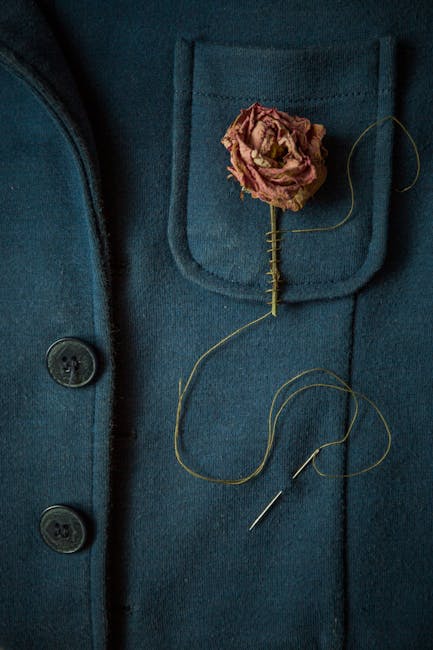
Successful clothing repurposing requires a foundation of basic sewing skills. Learning to sew a straight line, attach buttons, mend tears, and use a sewing machine are crucial steps. Numerous online resources, tutorials, and local sewing classes can provide the necessary training. Even hand-sewing offers a valuable starting point for simple projects.
Essential tools include:
- Sewing Machine: A reliable machine simplifies larger projects and offers versatility.
- Scissors: Sharp fabric scissors are indispensable for clean cuts.
- Measuring Tape: Accurate measurements are vital for pattern alterations and fitting.
- Seam Ripper: Undoing mistakes is inevitable; a seam ripper is a lifesaver.
- Pins: Securing fabric pieces before sewing ensures accuracy.
- Needles and Thread: Choose needles and thread appropriate for the fabric type.
- Iron and Ironing Board: Pressing seams and fabrics creates a professional finish.
- Cutting Mat and Rotary Cutter: Optional but beneficial for precise cuts, especially with delicate fabrics.
- Ruler and Marking Tools: Help with creating accurate pattern adjustments and marking seam allowances.
Beyond sewing, consider acquiring skills in dyeing, embroidery, and patching to enhance your repurposing capabilities. Experiment with different techniques and embrace imperfection as part of the creative process.
Section 3: T-Shirt Transformations: From Casual to Chic
T-shirts, abundant and versatile, offer countless repurposing possibilities. An oversized T-shirt can be transformed into a stylish crop top by simply cutting and hemming the lower edge. Adding elastic to the hem creates a gathered effect. Another option is to convert a T-shirt into a tote bag by sewing the bottom closed and adding sturdy handles made from fabric scraps or old belts.
For a more sophisticated look, consider turning a T-shirt into a skirt. Cut off the sleeves and neckline, then gather the fabric at the waistline and attach it to an elastic waistband. Embellishments like lace, beads, or fabric paint can further personalize the design. Alternatively, multiple T-shirts can be pieced together to create a patchwork quilt or wall hanging.
Kids’ T-shirts can be repurposed into reusable shopping bags, aprons, or even pillowcases. The possibilities are limited only by your imagination. Focus on creative cuts, clever embellishments, and functional designs to elevate your T-shirt transformations.
Section 4: Denim Dreams: Upcycling Jeans and Jackets
Denim, known for its durability and timeless appeal, lends itself beautifully to repurposing projects. Old jeans can be cut into shorts, skirts, or patchwork bags. The pockets can be salvaged and sewn onto other garments as decorative accents or functional storage. Denim scraps can be used to create coasters, placemats, or even small rugs.
A denim jacket can be customized with patches, embroidery, or paint. Adding fabric panels or changing the buttons can dramatically alter its appearance. Denim jackets can also be cut into vests or used as a base for creating a unique tote bag. Old jeans can be transformed into a stylish apron by cutting and sewing them into a suitable shape.
Denim’s inherent strength makes it ideal for creating durable items like tool belts, gardening bags, or even furniture upholstery. Explore different denim washes and textures to create visually interesting and functional pieces. Consider adding contrasting fabrics or embellishments to enhance the design.
Section 5: Dress and Skirt Redesign: Modernizing Vintage Styles
Outdated dresses and skirts can be given a new lease on life through strategic alterations and embellishments. A long dress can be shortened into a midi or mini dress. Adding sleeves or removing them can change the silhouette. A dress with a dated neckline can be redesigned with a lower or asymmetrical cut.
Skirts can be transformed by adding pleats, ruffles, or embellishments. A plain skirt can be upgraded with fabric paint, embroidery, or appliqués. A gathered skirt can be converted into an A-line skirt by altering the waistband and side seams. For a more dramatic change, consider combining two different skirts to create a unique patchwork design.
Vintage dresses and skirts often have beautiful fabrics and intricate details that can be preserved and highlighted. Focus on modernizing the silhouette while retaining the garment’s original charm. Consider adding contemporary accessories and styling to complete the transformation.
Section 6: Sweater Surgery: From Cozy to Chic Accessories
Old sweaters, especially those with interesting textures or patterns, can be repurposed into a variety of accessories. Sleeves can be cut off and sewn into leg warmers or arm warmers. The body of the sweater can be used to create a scarf, hat, or even a cozy blanket.
Sweater fabric can be used to create decorative pillows, cushion covers, or even wall hangings. Small pieces of sweater can be used to create patches or embellishments for other garments. Consider felting the sweater fabric to prevent fraying and create a more durable material.
Sweaters with intricate cable knits or fair isle patterns are particularly well-suited for repurposing into accessories. Experiment with different cutting and sewing techniques to create unique and stylish pieces. Adding buttons, zippers, or other embellishments can further enhance the design.
Section 7: Fabric Scrap Frenzy: Quilting, Patchwork, and Appliqué
Even the smallest fabric scraps can be repurposed into creative and functional items. Quilting, patchwork, and appliqué are excellent techniques for utilizing fabric scraps. These techniques allow you to combine different colors, patterns, and textures to create unique designs.
Fabric scraps can be used to create coasters, placemats, or even small rugs. They can also be used to create decorative patches for clothing or bags. Small scraps can be used to create embellishments like flowers, leaves, or buttons. Consider using different fabric scraps to create a patchwork quilt or wall hanging.
Organize your fabric scraps by color, pattern, or texture to make it easier to find the perfect pieces for your projects. Don’t be afraid to experiment with different combinations and techniques to create truly unique and personalized items. Consider using fusible webbing to attach small fabric scraps to larger pieces of fabric for added stability.
Section 8: Beyond Clothing: Repurposing Textiles for Home Décor
Repurposing textiles extends beyond clothing and can be applied to home décor projects. Old curtains can be repurposed into tablecloths, bedspreads, or even wall tapestries. Old blankets can be used to create cushion covers, throw pillows, or even pet beds.
Old towels can be repurposed into cleaning rags, bath mats, or even reusable diapers. Old sheets can be used to create pillowcases, duvet covers, or even curtains. Consider using old clothing to create unique and personalized wall art.
Look for textiles with interesting patterns, textures, or colors. Don’t be afraid to combine different textiles to create a unique and eclectic look. Consider using fabric scraps to create decorative accents like tassels, pom-poms, or fringe.
Section 9: Finding Inspiration: Resources and Communities
Numerous online resources and communities offer inspiration and guidance for clothing repurposing projects. Pinterest is a treasure trove of ideas, with countless boards dedicated to upcycling and repurposing. Websites like Instructables and Craftsy offer detailed tutorials and patterns for various projects.
Social media platforms like Instagram and Facebook host numerous groups and communities dedicated to sustainable fashion and clothing repurposing. These groups provide a platform for sharing ideas, asking questions, and receiving feedback.
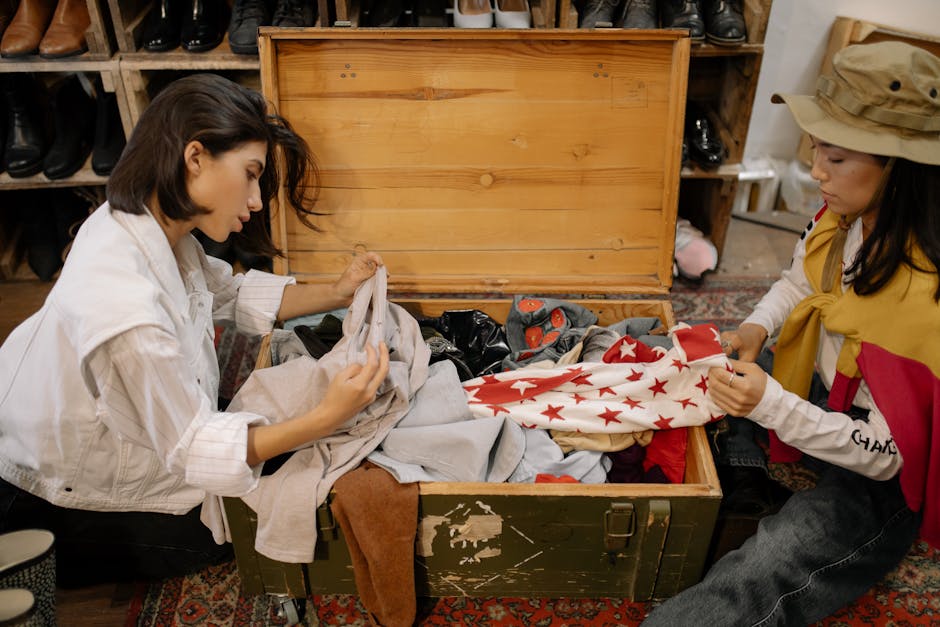
Local craft fairs and flea markets often showcase repurposed clothing and accessories. Visiting these events can provide inspiration and connect you with other like-minded individuals. Consider joining a local sewing or crafting group to learn new skills and share your creations.
Section 10: Ethical Considerations: Responsible Sourcing and Disposal
While repurposing reduces waste, it’s crucial to consider the ethical implications of our sourcing and disposal practices. Prioritize repurposing clothing you already own or acquiring items from ethical sources like thrift stores or clothing swaps. Avoid purchasing new fabrics solely for repurposing, as this negates the environmental benefits.
When disposing of unusable fabric scraps, explore options like textile recycling programs or composting natural fibers. Avoid sending textiles to landfills whenever possible. Support brands that prioritize sustainable practices and fair labor standards in their production processes. By making conscious choices throughout the repurposing process, we can maximize its positive impact on the environment and society.