Ethical Threads: Navigating the World of Sustainable Fashion
The fashion industry, notorious for its fast-paced trends and exploitative practices, is facing increasing scrutiny. Consumers are demanding more ethical and environmentally responsible options, prompting a surge in sustainable clothing brands and initiatives. But navigating this landscape can be overwhelming. Where do you even begin to find truly eco-friendly clothing? This guide provides a comprehensive roadmap to conscious consumption, highlighting reputable brands, material considerations, and practical tips for building a sustainable wardrobe.
Deconstructing “Sustainable”: Understanding Key Terms
Before diving into specific retailers, it’s crucial to understand what “sustainable” actually means in the context of fashion. The term is often used loosely, and greenwashing (misleading marketing that overstates a product’s environmental benefits) is rampant. Here’s a breakdown of key concepts:
-
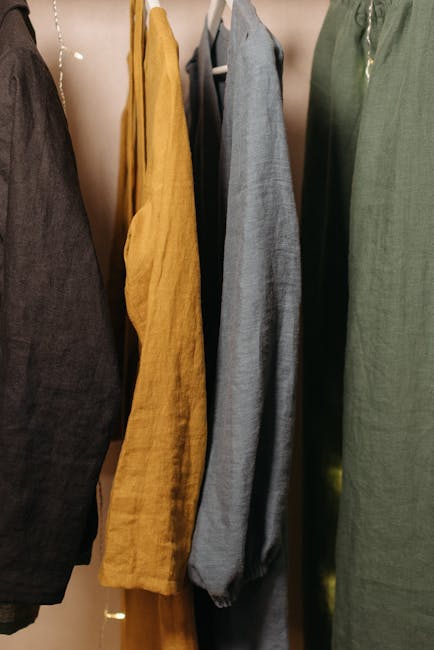
Eco-Friendly Materials: Fabrics like organic cotton, linen, hemp, Tencel (Lyocell), recycled polyester (rPET), and innovative materials such as Piñatex (pineapple leaf fiber) are less resource-intensive and often biodegradable. Look for certifications like GOTS (Global Organic Textile Standard) for cotton, which ensures the entire supply chain meets strict environmental and social criteria.
-
Ethical Production: This encompasses fair wages, safe working conditions, and respect for workers’ rights throughout the garment’s production. Organizations like Fairtrade International and certifications like Fair Wear Foundation guarantee fair labor practices.
-
Slow Fashion: A counter-movement to fast fashion, slow fashion emphasizes durability, timeless style, and ethical production. It encourages consumers to buy fewer, higher-quality items that last longer.
-
Circular Economy: This aims to minimize waste and maximize resource utilization. It involves designing garments for longevity, recyclability, and repair, encouraging clothing rental, resale, and upcycling initiatives.
-
Transparency: Brands that openly share information about their supply chain, including factory locations, material sourcing, and environmental impact, are demonstrating accountability and building trust.
The Online Marketplace: Discovering Ethical Brands from Your Home
The internet has democratized access to sustainable fashion. Many online retailers curate collections of eco-friendly brands, making it easier to discover ethical alternatives. Here are some noteworthy online platforms:
-
DoneGood: This platform meticulously vets brands based on their social and environmental impact, providing a comprehensive list of ethical options across various categories. They focus on companies committed to fair labor practices, sustainable materials, and community development.
-
Wearwell: A membership-based platform offering personalized sustainable fashion recommendations. They conduct thorough research on brands, ensuring they meet strict ethical and environmental standards.
-
The Good Trade: An online resource providing articles, guides, and a curated marketplace featuring ethical and sustainable brands. They prioritize transparency and focus on supporting independent designers and small businesses.
-
ThredUp: The world’s largest online thrift store, offering a vast selection of secondhand clothing from mainstream and designer brands. Shopping at ThredUp significantly reduces textile waste and supports a circular economy.
-
Etsy: While not exclusively focused on sustainable fashion, Etsy is home to numerous independent designers and small businesses creating unique, handmade clothing using eco-friendly materials and ethical practices. Look for sellers who clearly state their sustainability initiatives.
-
ASOS Marketplace: Alongside vintage and independent boutiques, ASOS Marketplace features sellers specializing in upcycled and reworked clothing, giving new life to discarded textiles.
-
Patagonia Worn Wear: Patagonia’s dedicated platform for buying and selling used Patagonia gear. This initiative extends the lifespan of their products and reduces environmental impact.
Brick-and-Mortar Boutiques: Supporting Local and Independent Designers
While online shopping offers convenience, brick-and-mortar boutiques provide a more tangible experience, allowing you to examine the quality and fit of garments before purchasing. Many cities boast independent boutiques specializing in sustainable fashion.
-
Research Local Boutiques: Use online search engines and local directories to identify boutiques in your area that prioritize ethical and sustainable clothing. Look for boutiques that carry brands with transparent supply chains and a commitment to fair labor practices.
-
Attend Local Markets and Craft Fairs: These events often feature independent designers and artisans creating handmade clothing using sustainable materials. This is a great opportunity to meet the designers, learn about their production processes, and support local businesses.
-
Thrift Stores and Consignment Shops: These establishments offer a treasure trove of pre-owned clothing at affordable prices. Shopping secondhand reduces textile waste and gives garments a second life.
Direct-to-Consumer Brands: Cutting Out the Middleman for Greater Transparency
Direct-to-consumer (DTC) brands sell their products directly to consumers, bypassing traditional retailers. This allows them to control the entire supply chain, ensuring ethical production and transparency.
-
Eileen Fisher: A pioneer in sustainable fashion, Eileen Fisher is committed to using organic and recycled materials, reducing waste, and promoting fair labor practices. They also offer a Renew program, where customers can return used Eileen Fisher clothing for resale or recycling.
-
People Tree: A Fair Trade fashion brand that partners with artisans and farmers in developing countries to create sustainable clothing using organic cotton and traditional techniques.
-
Reformation: Known for its stylish and eco-friendly designs, Reformation uses sustainable materials and manufactures its clothing in its own factory in Los Angeles, ensuring fair labor practices and environmental responsibility.
-
Everlane: Emphasizing radical transparency, Everlane discloses the cost breakdown of its products, revealing the actual cost of materials, labor, and transportation. They prioritize ethical factories and sustainable materials.
-
Kotn: Committed to ethical sourcing and fair labor practices, Kotn works directly with cotton farmers in Egypt to produce high-quality, sustainable cotton basics.
Leveraging Certifications: Identifying Credible Claims
Navigating the complex world of sustainability claims can be challenging. Look for certifications from reputable organizations to verify the authenticity of a brand’s environmental and social claims.
-
GOTS (Global Organic Textile Standard): Ensures that textiles are made with organic fibers and that the entire supply chain meets strict environmental and social criteria.
-
Fairtrade International: Guarantees fair wages and safe working conditions for farmers and workers in developing countries.
-
OEKO-TEX Standard 100: Certifies that textiles are free from harmful substances.
-
Bluesign: Ensures that textiles are produced using environmentally sound practices, minimizing water and energy consumption and reducing the use of harmful chemicals.
Beyond the Purchase: Building a Sustainable Wardrobe
Finding eco-friendly clothing is just the first step. Building a truly sustainable wardrobe requires a holistic approach.
-
Buy Less, Choose Well: Focus on quality over quantity. Invest in timeless pieces that will last for years.
-
Take Care of Your Clothes: Proper care can significantly extend the lifespan of your garments. Wash your clothes in cold water, hang them to dry, and repair them when needed.
-
Consider Clothing Swaps and Rentals: Participate in clothing swaps with friends or family, or explore clothing rental services to reduce consumption.
-
Upcycle and Repurpose: Get creative and give new life to old clothing by upcycling or repurposing them.
-
Donate or Resell Unwanted Clothing: Instead of throwing away unwanted clothing, donate them to charity or sell them online.
By understanding the key terms, researching brands, leveraging certifications, and adopting sustainable consumption habits, you can actively contribute to a more ethical and environmentally responsible fashion industry. Making conscious choices, one garment at a time, can make a significant difference.