Making Fashion More Sustainable: Practical Tips and Strategies
Understanding the Environmental Impact of Fast Fashion:
The fashion industry, particularly its fast fashion arm, is a significant contributor to environmental degradation. The relentless pursuit of trends fuels overproduction, resulting in mountains of textile waste ending up in landfills. These landfills then leach harmful chemicals into the soil and water. Furthermore, the production of synthetic fabrics like polyester relies heavily on fossil fuels, contributing to greenhouse gas emissions and climate change. Cotton farming, while a natural fiber, often involves intensive irrigation, pesticide use, and deforestation, impacting water resources and biodiversity. Dyeing and finishing processes release toxic chemicals into waterways, harming aquatic life and polluting drinking water sources. Understanding these impacts is the first step towards making more sustainable choices.
1. Embrace Conscious Consumption:
The core of sustainable fashion lies in changing our consumption habits. Before buying anything new, ask yourself: “Do I truly need this?” Consider the lifespan of the item and whether it aligns with your existing wardrobe. Avoid impulse purchases driven by trends and sales. Resist the pressure to constantly update your wardrobe with the latest styles. Instead, focus on building a timeless collection of versatile pieces that can be mixed and matched. Embrace the “less is more” philosophy and prioritize quality over quantity.
2. Invest in High-Quality, Durable Clothing:
Opt for garments crafted from durable materials and constructed with meticulous attention to detail. These pieces may initially cost more, but their longevity will save you money in the long run. Look for reinforced seams, durable zippers, and well-finished edges. Fabrics like organic cotton, linen, hemp, and recycled materials are often more sustainable and long-lasting. Consider the garment’s care instructions – easily washable items are often more practical and reduce the need for dry cleaning, which uses harsh chemicals.
3. Choose Sustainable Fabrics:
Become familiar with different fabric options and their environmental impact.
- Organic Cotton: Grown without harmful pesticides and fertilizers, reducing environmental pollution and protecting farmer health.
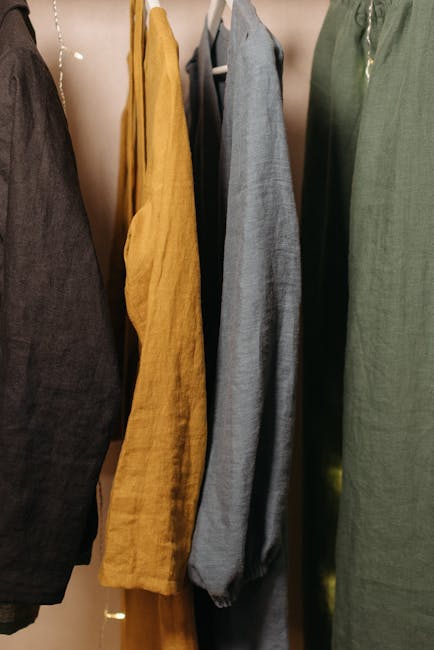
- Linen: Made from flax, a resilient plant that requires less water and pesticides than cotton.
- Hemp: A fast-growing, low-impact crop that requires minimal water and no pesticides.
- Recycled Fabrics: Utilizing recycled polyester (rPET) from plastic bottles or recycled cotton reduces waste and conserves resources.
- Tencel/Lyocell: Made from sustainably sourced wood pulp using a closed-loop process that minimizes water and chemical waste.
- Econyl: Regenerated nylon made from recycled fishing nets and other nylon waste.
- Piñatex: A vegan leather alternative made from pineapple leaf fibers, reducing agricultural waste.
4. Support Ethical and Transparent Brands:
Research the brands you support and choose those committed to ethical labor practices and environmental sustainability. Look for certifications like Fair Trade, GOTS (Global Organic Textile Standard), and OEKO-TEX Standard 100, which ensure responsible sourcing and production. Check the brand’s website for information on their supply chain, manufacturing processes, and environmental initiatives. Transparent brands are open about their practices and are willing to share information with consumers.
5. Embrace Secondhand Shopping:
Thrift stores, consignment shops, and online marketplaces offer a treasure trove of pre-loved clothing. Shopping secondhand extends the lifespan of garments, reduces waste, and often provides unique and affordable finds. Experiment with different styles and discover hidden gems. You can also donate or sell your unwanted clothing to give them a new life.
6. Rent Clothing for Special Occasions:
Instead of buying a new outfit for a special event, consider renting clothing. Renting allows you to access a wider variety of styles without contributing to overconsumption. It’s a particularly practical option for items you’ll only wear once or twice. Several online platforms offer clothing rental services for various occasions, from weddings to parties.
7. Care for Your Clothes Properly:
Proper care extends the life of your clothing and reduces the need for frequent replacements. Wash clothes only when necessary, using cold water and eco-friendly detergents. Avoid using harsh chemicals like bleach. Hang clothes to dry instead of using a dryer, which consumes significant energy. Mend tears, replace buttons, and repair zippers to keep your garments in good condition. Store your clothes properly to prevent damage from moths, dust, and sunlight.
8. Upcycle and Repurpose Old Clothes:
Get creative and transform old clothes into new items. Cut up old t-shirts to make cleaning rags or tote bags. Turn old jeans into shorts, skirts, or patchwork quilts. Add embellishments or alter the design of existing garments to give them a fresh look. Upcycling reduces waste and allows you to express your creativity.
9. Learn Basic Sewing Skills:
Knowing basic sewing skills empowers you to repair and alter your own clothes. You can fix minor tears, replace buttons, adjust hemlines, and even customize existing garments. Learning to sew can save you money on tailoring and extend the life of your clothing. Online tutorials and local workshops can teach you the fundamentals of sewing.
10. Support Sustainable Textile Recycling Programs:
Many organizations and retailers offer textile recycling programs where you can donate unwanted clothing and textiles for recycling. These programs divert textiles from landfills and recover valuable fibers that can be used to create new products. Research local textile recycling options and participate in these initiatives.
11. Wash Less Frequently and Air Dry:
Over-washing damages fibers and fades colors, shortening the lifespan of your clothes. Only wash items when they are visibly dirty or smell unpleasant. Air drying clothes instead of using a dryer saves energy and prevents shrinkage and damage to delicate fabrics. Line drying outdoors can also naturally freshen clothes.
12. Choose Eco-Friendly Detergents and Washing Practices:
Opt for detergents that are biodegradable, phosphate-free, and contain natural enzymes. These detergents are gentler on the environment and your clothes. Avoid using fabric softeners, which can contain harsh chemicals that pollute waterways. Use cold water to wash clothes, as it saves energy and prevents colors from fading.
13. Be Mindful of Microfibers:
Synthetic fabrics like polyester shed tiny plastic fibers called microfibers during washing. These microfibers end up in waterways and can harm aquatic life. Use a microfiber filter in your washing machine or wash synthetic clothes inside a laundry bag to capture microfibers. Consider purchasing natural fiber clothing instead of synthetic fabrics.
14. Advocate for Change:
Support policies and initiatives that promote sustainable fashion. Contact your elected officials and urge them to support legislation that addresses textile waste and promotes ethical labor practices in the fashion industry. Support organizations that are working to create a more sustainable fashion system.
15. Stay Informed:
Continuously educate yourself about the environmental and social impacts of the fashion industry. Read articles, watch documentaries, and follow sustainable fashion bloggers and influencers. The more you know, the better equipped you will be to make informed choices. The sustainable fashion landscape is constantly evolving, so staying informed is crucial for making a lasting impact.