Deconstructing and Reimagining: The Art of Clothing Transformation
Upcycling old clothing is not just a trend; it’s a sustainable solution to fast fashion’s environmental impact and a powerful creative outlet. Breathe new life into forgotten pieces and craft unique, stylish outfits through strategic deconstruction, alteration, and embellishment. This guide provides a roadmap to transform your wardrobe from drab to fab.
1. Inventory and Assessment: The Foundation of Transformation
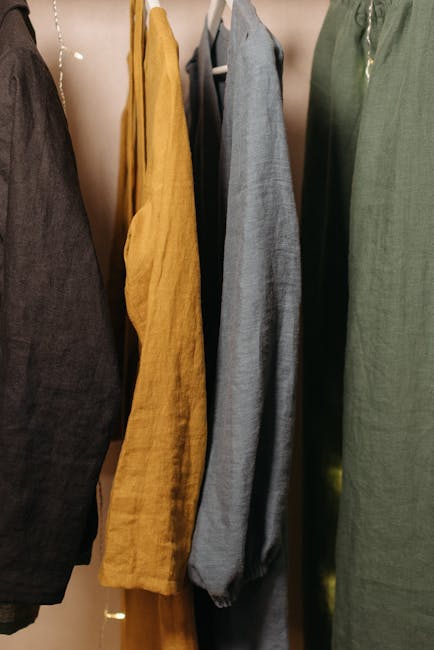
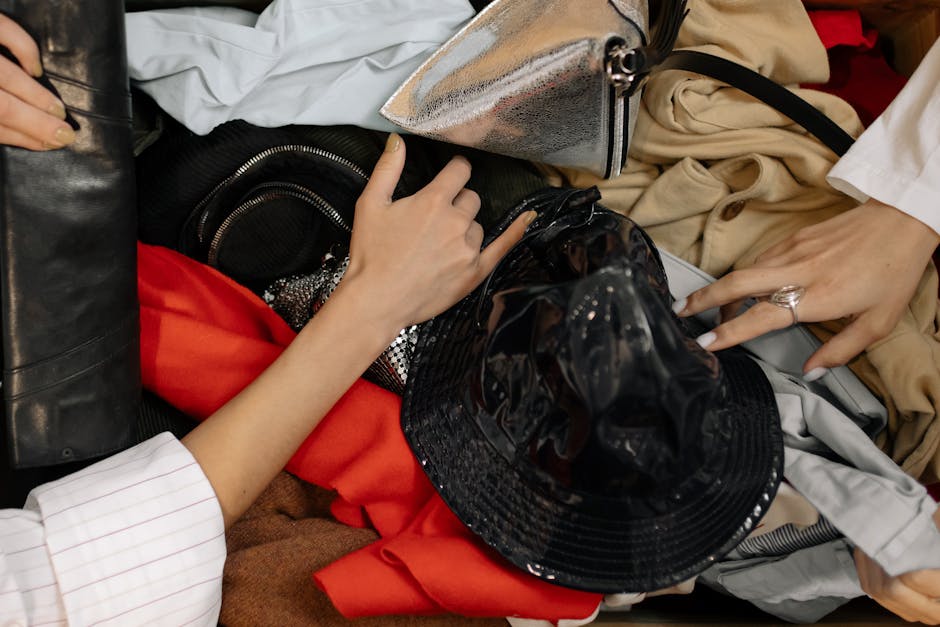
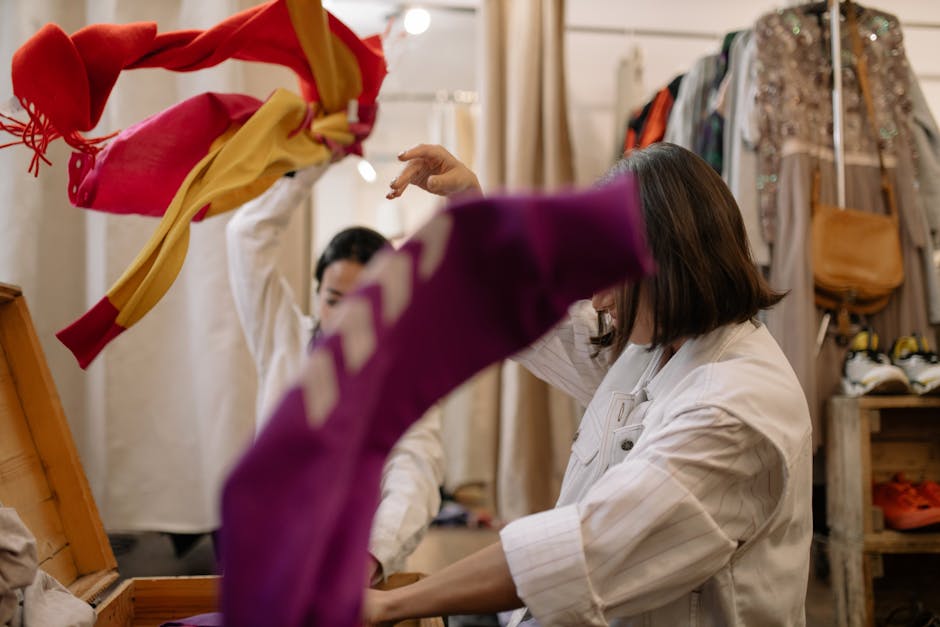
Before diving into alterations, take stock of your existing wardrobe. This isn’t just a decluttering exercise; it’s a treasure hunt. Categorize items by fabric type (cotton, denim, silk, wool), garment type (shirts, pants, dresses, skirts), and condition (good, fair, damaged). Critically assess each piece:
- Fit Issues: Is it too big, too small, outdated, or unflattering? Fit is paramount. A well-fitting garment always looks more stylish, regardless of age.
- Fabric Quality: Is the fabric durable and worth the effort of alteration? Examine for wear and tear, fading, and potential for further use.
- Style Potential: Does the garment possess a strong aesthetic or design element that can be enhanced? Look for interesting prints, unique closures, or unusual silhouettes.
- Damage Assessment: Can the damage be creatively concealed or incorporated into the new design? Rips and stains can become focal points with clever techniques.
Discard items beyond repair or usability (recycle them responsibly if possible). The remaining pieces become the raw materials for your upcycling projects.
2. Mastering Basic Sewing Skills: The Essential Toolkit
Proficiency in basic sewing techniques is crucial for successful clothing transformation. While advanced skills are beneficial, a solid grasp of these fundamentals will take you far:
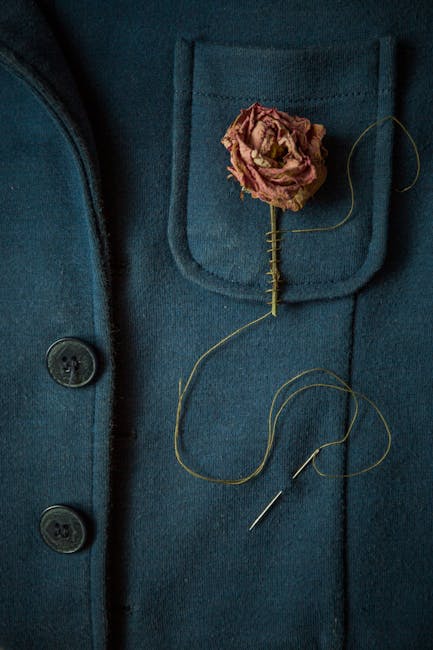
- Hand Sewing: Learn basic stitches like running stitch, back stitch, slip stitch, and blanket stitch. These are essential for mending, embellishing, and creating delicate details.
- Machine Sewing: Familiarize yourself with your sewing machine’s operation. Practice straight stitches, zigzag stitches, and buttonholes. Understanding tension and fabric feed is crucial.
- Seam Ripping: A seam ripper is your best friend. Learn to carefully remove seams without damaging the fabric. Patience is key.
- Hemming: Mastering different hemming techniques (blind hem, rolled hem, double-folded hem) allows you to adjust garment lengths and create clean finishes.
- Dart Manipulation: Darts shape fabric to fit the body. Understanding how to adjust and move darts can dramatically improve the fit of garments.
- Pattern Drafting Basics: Even simple pattern drafting skills allow you to create basic pattern pieces for sleeves, skirts, or bodice alterations.
Invest in quality sewing tools: sharp scissors, seam ripper, measuring tape, pins, needles, thread, and a reliable sewing machine.
3. Strategic Alterations: Reshaping and Resizing
Altering existing garments to improve fit or style is a core upcycling technique. Common alterations include:
- Taking In/Letting Out: Adjusting side seams or back seams to achieve a closer or looser fit. Ensure you have enough seam allowance to work with when letting out.
- Hemming: Shortening or lengthening hems on skirts, pants, and dresses. Consider different hem styles for a modern touch.
- Sleeve Adjustments: Shortening sleeves, adding cuffs, or altering sleeve shapes (e.g., from straight to bell sleeves).
- Adding Darts: Creating darts to shape a boxy garment and create a more defined silhouette.
- Changing Necklines: Transforming a high neckline into a scoop neck or V-neck. This requires careful planning and seam finishing.
- Replacing Zippers/Buttons: Updating outdated or damaged closures with modern alternatives.
- Transforming Pants to Shorts/Skirts: A classic upcycling project. Cut off the legs of old jeans to create shorts or a denim skirt.
- Dress to Skirt Conversion: Remove the bodice of a dress to create a skirt.
4. Embellishments and Additions: Adding Personality and Flair
Embellishments can elevate a simple garment into a statement piece. Consider these creative options:
- Embroidery: Hand embroidery or machine embroidery can add intricate details and personalized designs.
- Appliqué: Sewing fabric scraps onto garments to create decorative patterns or images.
- Beading and Sequins: Adding sparkle and texture with beads and sequins.
- Fabric Dyeing: Revitalizing faded fabrics or creating unique color gradients using tie-dye or dip-dye techniques.
- Fabric Painting: Creating custom designs with fabric paints.
- Patches: Adding patches to cover holes or add a touch of personality. Embroidered patches, iron-on patches, and fabric patches offer diverse options.
- Lace and Trims: Adding lace trim, ribbon, or other decorative trims to edges and seams.
- Adding Pockets: Adding functional and stylish pockets to garments that lack them.
5. Deconstruction and Reconstruction: The Ultimate Transformation
Deconstruction involves taking a garment apart and using its individual components to create something entirely new. This is a more advanced technique but offers limitless possibilities:
- Turning Shirts into Skirts/Dresses: Using the fabric and closures from multiple shirts to create a tiered skirt or a patchwork dress.
- Denim Patchwork: Combining denim scraps from old jeans to create a new jacket, skirt, or bag.
- T-Shirt Reconstruction: Cutting and reassembling old t-shirts into a new, unique t-shirt design.
- Using Fabric Scraps for Accessories: Transforming leftover fabric scraps into headbands, scarves, or jewelry.
- Creating Quilted Garments: Using fabric scraps to create a quilted jacket, vest, or skirt.
6. Fabric Manipulation Techniques: Adding Texture and Dimension
Beyond basic alterations and embellishments, explore fabric manipulation techniques to add texture and visual interest:
- Ruching: Gathering fabric to create a puckered or pleated effect.
- Pleating: Folding fabric to create structured folds.
- Smocking: Creating decorative patterns by gathering fabric with elastic thread.
- Shredding and Distressing: Creating a worn or edgy look by shredding fabric or distressing denim.
- Adding Tassels and Fringe: Adding playful movement and texture with tassels and fringe.
7. Repurposing Non-Clothing Items: Expanding the Horizons
Think beyond traditional clothing. Non-clothing items can be repurposed into fashionable garments:
- Curtains into Dresses/Skirts: Using vintage curtains to create unique and flowing garments.
- Tablecloths into Tops/Blouses: Transforming patterned tablecloths into bohemian-inspired tops.
- Bed Sheets into Summer Dresses: Lightweight bed sheets are perfect for creating breezy summer dresses.
- Old Ties into Accessories: Transforming old ties into necklaces, bracelets, or headbands.
8. Staying Inspired: Cultivating Creativity
Continuously seek inspiration from fashion blogs, magazines, Pinterest, and Instagram. Follow upcycling accounts and experiment with different techniques. Don’t be afraid to make mistakes – they are part of the learning process.
9. Sustainable Practices: Mindful Upcycling
Embrace sustainable practices throughout the upcycling process:
- Use Recycled Materials: Opt for recycled thread, buttons, and other supplies.
- Minimize Waste: Carefully plan your projects to minimize fabric waste.
- Shop Secondhand: Source materials from thrift stores and consignment shops.
- Repair, Don’t Replace: Prioritize repairing damaged garments before considering replacement.
10. Document and Share: The Upcycling Community
Document your upcycling projects with photos and videos. Share your creations on social media and connect with other upcyclers. Participating in the upcycling community provides inspiration, support, and valuable feedback. Sharing your knowledge encourages others to embrace sustainable fashion and creative expression.