Understanding the Problem: Fast Fashion’s Environmental and Social Impact
Fast fashion, characterized by rapid production cycles and low prices, fuels unsustainable consumption habits. Before diving into solutions, understanding the detrimental effects is crucial. The industry is a significant contributor to textile waste, with millions of tons ending up in landfills annually. Manufacturing processes often rely on harmful chemicals that pollute waterways and ecosystems. Furthermore, fast fashion frequently exploits garment workers in developing countries, subjecting them to unsafe working conditions and unfair wages. Recognizing these issues is the first step towards embracing a more sustainable approach to fashion. Specific statistics paint a stark picture: the fashion industry accounts for an estimated 8-10% of global carbon emissions, more than all international flights and maritime shipping combined. Cotton production, while natural, requires vast amounts of water and pesticides. Synthetic fibers, derived from fossil fuels, contribute to microplastic pollution when washed. These facts highlight the urgent need for change.
Building a Sustainable Wardrobe: Assessment and Planning
The journey to a sustainable wardrobe begins with a thorough assessment of your existing clothes. Instead of impulsively discarding items, evaluate what you already own. Ask yourself: what do you truly love and wear regularly? What fits well and complements your lifestyle? Identify any gaps in your wardrobe that need filling. This process allows you to avoid unnecessary purchases and maximize the use of your current clothing. A crucial aspect is considering the versatility of each piece. Can it be styled in multiple ways? Does it work for different occasions? Investing in versatile items reduces the need for numerous specialized garments. Planning future purchases is equally important. Create a wish list of items you genuinely need, focusing on quality, durability, and ethical sourcing. This mindful approach prevents impulse buys and ensures that your new additions align with your sustainability goals.
Embrace Minimalism: Quality Over Quantity
Minimalism goes hand-in-hand with sustainable fashion. By focusing on quality over quantity, you can create a capsule wardrobe of essential pieces that you love and wear repeatedly. This approach reduces clutter, saves money in the long run, and minimizes your environmental impact. Instead of chasing fleeting trends, invest in timeless classics made from durable materials. Think well-fitting jeans, a classic white shirt, a versatile blazer, and a comfortable pair of shoes. These foundational pieces can be mixed and matched to create a variety of outfits. Choose fabrics that are known for their longevity, such as organic cotton, linen, wool, and hemp. When cared for properly, these materials can last for years. Prioritize items that are well-constructed and designed to withstand wear and tear. Check the seams, zippers, and buttons for quality craftsmanship. A well-made garment is an investment that will pay off in the long run.
Secondhand Shopping: Thrifting, Vintage, and Consignment
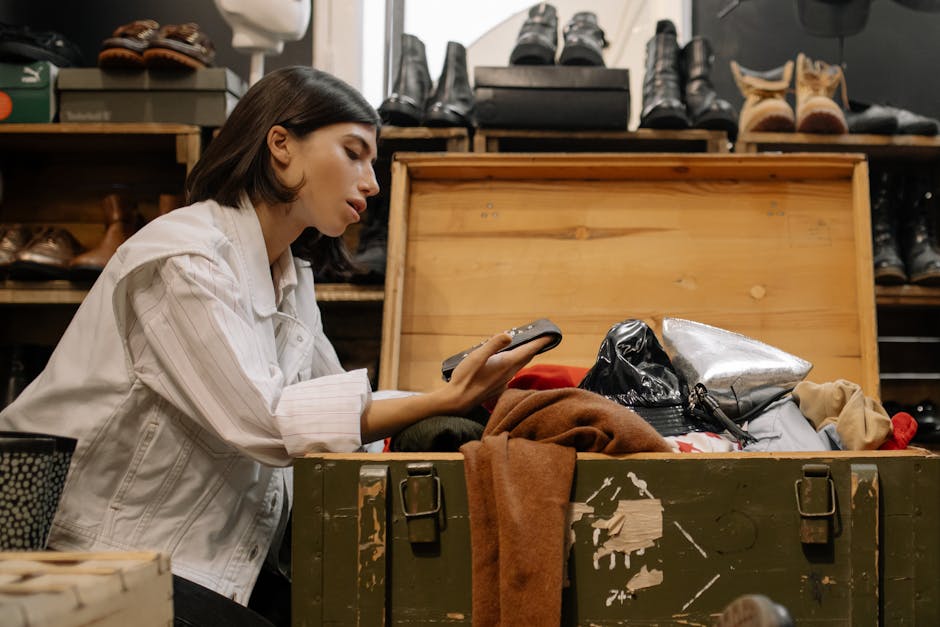
Shopping secondhand is one of the most impactful ways to reduce your fashion footprint. By giving pre-owned clothing a new life, you divert it from landfills and reduce the demand for new production. Explore thrift stores, vintage shops, and consignment stores in your area. These venues offer a wide variety of styles and price points. Online platforms like eBay, Poshmark, and ThredUp provide convenient access to secondhand clothing from around the world. When shopping secondhand, be patient and take your time to browse. Check the condition of each item carefully, looking for stains, tears, or other imperfections. Consider the fit and style of the garment, and whether it complements your existing wardrobe. Don’t be afraid to get creative with alterations. A skilled tailor can transform a secondhand find into a custom-fit piece that you’ll love for years to come.
Sustainable Materials: Choosing Eco-Friendly Fabrics
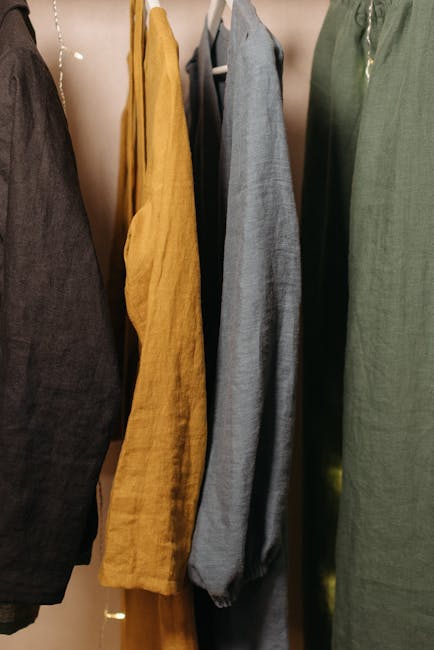
The choice of fabrics has a significant impact on the sustainability of your wardrobe. Opt for eco-friendly materials that are produced with minimal environmental impact. Organic cotton is grown without the use of harmful pesticides and fertilizers, reducing water pollution and protecting biodiversity. Linen is a durable and breathable fabric made from flax plants, which require minimal water and pesticides. Hemp is another sustainable fiber that is strong, versatile, and requires little water to grow. Recycled polyester, made from plastic bottles, reduces waste and conserves resources. Lyocell (Tencel) is a sustainable fabric made from wood pulp using a closed-loop process that minimizes waste and pollution. Avoid synthetic fabrics like conventional polyester, nylon, and acrylic, which are derived from fossil fuels and contribute to microplastic pollution. Look for certifications like GOTS (Global Organic Textile Standard), Oeko-Tex, and Bluesign to ensure that fabrics meet environmental and social standards.
Ethical Brands: Supporting Fair Labor Practices
Supporting ethical brands is crucial for promoting fair labor practices and improving the lives of garment workers. Look for brands that prioritize transparency and traceability in their supply chains. Research their manufacturing processes and ensure that they adhere to fair labor standards. Seek out certifications like Fair Trade and SA8000, which guarantee that workers are paid fair wages, provided with safe working conditions, and protected from exploitation. Many ethical brands are committed to using sustainable materials and reducing their environmental impact. They often prioritize transparency and provide detailed information about their supply chains and production practices. Consider supporting smaller, independent brands that are committed to ethical and sustainable practices. These brands often have a closer relationship with their suppliers and are more likely to prioritize the well-being of their workers.
Caring for Your Clothes: Washing, Repairing, and Storing
Properly caring for your clothes is essential for extending their lifespan and reducing your environmental impact. Wash your clothes less frequently and use cold water to conserve energy. Avoid using harsh detergents and fabric softeners, which can damage fabrics and release harmful chemicals into the environment. Consider using eco-friendly laundry detergents made from plant-based ingredients. Hang your clothes to dry whenever possible, as tumble drying consumes significant amounts of energy. Learn basic sewing skills to repair minor tears and damages. Mending your clothes extends their lifespan and prevents them from ending up in landfills. Store your clothes properly to protect them from damage. Use moth-repellent cedar blocks or lavender sachets to keep insects away. Fold or hang your clothes neatly to prevent wrinkles and maintain their shape.
DIY and Upcycling: Getting Creative with Your Clothes
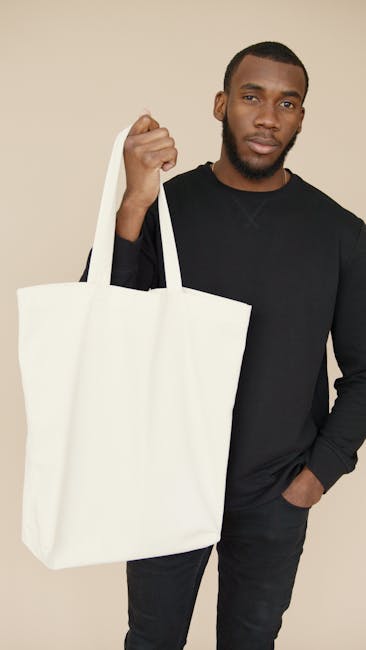
DIY and upcycling are fun and creative ways to give your old clothes a new life. Transform old t-shirts into tote bags, pillowcases, or cleaning cloths. Repurpose old jeans into skirts, shorts, or patchwork quilts. Add embellishments like embroidery, patches, or beads to personalize your clothes. Get creative with dyeing techniques to transform the color of your garments. There are countless tutorials and resources available online to guide you through DIY and upcycling projects. Upcycling not only reduces waste but also allows you to express your creativity and create unique, one-of-a-kind pieces. It’s a rewarding way to embrace sustainable fashion and give your clothes a second chance.
Renting and Swapping: Alternatives to Buying New
Renting and swapping clothes are innovative alternatives to buying new garments. Renting allows you to access a wide variety of styles for special occasions without the commitment of purchasing them. Clothing rental services offer a range of options, from everyday wear to formal attire. Swapping clothes with friends or participating in clothing swap events is a fun and sustainable way to refresh your wardrobe. Organize a clothing swap with your friends, family, or community. Each participant brings unwanted clothing items that are in good condition and swaps them for other items. Renting and swapping reduce the demand for new production and minimize textile waste. They are excellent options for trying out new styles without contributing to the environmental impact of fast fashion.
Staying Informed: Resources and Education
Staying informed about sustainable fashion practices is essential for making conscious choices. Follow sustainable fashion blogs, websites, and social media accounts to stay updated on the latest trends and news. Read books and articles about the environmental and social impacts of the fashion industry. Attend workshops and seminars on sustainable fashion to learn practical tips and strategies. Support organizations and initiatives that promote sustainable fashion practices. By staying informed, you can make more conscious choices about your clothing purchases and contribute to a more sustainable fashion industry. Educate yourself and others about the importance of sustainable fashion and inspire others to embrace these practices.