Navigating the Ethical Accessory Landscape: A Comprehensive Guide
The allure of a perfectly chosen accessory – a statement necklace, a handcrafted leather bag, a pair of elegant earrings – is undeniable. However, the sourcing and production of these coveted items often come with a hidden cost: environmental degradation and exploitation of workers. Ethical accessories offer a conscious alternative, allowing consumers to adorn themselves with style while supporting fair labor practices, sustainable materials, and responsible manufacturing processes. This guide provides a deep dive into navigating the complex world of ethical accessories, empowering you to make informed choices that align with your values.
Understanding the Key Pillars of Ethical Accessories:
Ethical accessories embody a multifaceted approach, addressing various aspects of the supply chain and environmental impact. Understanding these pillars is crucial for discerning genuinely ethical brands from those engaging in greenwashing.
-
Fair Labor Practices: This is perhaps the most critical aspect. It involves ensuring that artisans and factory workers involved in the production process receive fair wages, safe working conditions, and opportunities for growth. Fair Trade certifications are a strong indicator, but also look for brands that openly disclose their supplier relationships and demonstrate a commitment to worker empowerment. Specific details like paying a living wage (rather than minimum wage), providing healthcare, and offering training programs are good signs.
-
Sustainable Materials: The raw materials used in accessories often have significant environmental impacts. Leather production, for example, can involve harmful chemicals and contribute to deforestation. Look for accessories made from recycled materials (recycled metals, recycled plastics, reclaimed fabrics), organic cotton, plant-based alternatives to leather (pineapple leaf leather, mushroom leather, apple leather), and sustainably sourced wood or gemstones. Consider the longevity and biodegradability of the materials as well.
-
Environmental Stewardship: This encompasses the brand’s commitment to minimizing its environmental footprint throughout the entire lifecycle of the product. This includes reducing water usage, minimizing waste generation, utilizing eco-friendly dyes and finishes, and implementing sustainable packaging practices. Brands that actively participate in carbon offsetting programs or support environmental conservation initiatives demonstrate a deeper commitment to environmental responsibility.
-
Transparency and Traceability: Ethical brands are transparent about their sourcing and production processes. They are willing to share information about their suppliers, manufacturing locations, and the materials they use. Traceability allows consumers to track the journey of the product from raw material to finished good, ensuring accountability and preventing exploitation. Look for brands that provide detailed information on their website or are willing to answer your questions about their ethical practices.
-
Animal Welfare: This is particularly relevant for accessories made from animal-derived materials such as leather, fur, and wool. Ethical brands prioritize animal welfare by ensuring that animals are treated humanely and are not subjected to cruel or inhumane practices. Look for certifications like the Leather Working Group (LWG) for responsible leather sourcing, or opt for vegan alternatives whenever possible.
Identifying Ethical Brands: A Practical Approach:
Navigating the vast marketplace and identifying genuinely ethical accessory brands requires a discerning eye and a proactive approach.
-
Research and Due Diligence: Before making a purchase, research the brand’s values and practices. Visit their website and look for information about their sourcing, manufacturing, and environmental initiatives. Read customer reviews and look for independent certifications or awards that recognize their commitment to ethical practices.
-
Seek Certifications: Look for recognized certifications such as Fair Trade, B Corp, GOTS (Global Organic Textile Standard), and Leather Working Group (LWG). These certifications provide assurance that the brand meets specific ethical and environmental standards. However, be aware that obtaining certifications can be expensive, and some smaller ethical brands may not have the resources to pursue them.
-
Read the Fine Print: Pay close attention to the product descriptions and labels. Look for details about the materials used, the country of origin, and any certifications or claims related to ethical practices. Be wary of vague or unsubstantiated claims such as “eco-friendly” or “sustainable” without further explanation.
-
Ask Questions: Don’t hesitate to contact the brand directly and ask questions about their ethical practices. A genuinely ethical brand will be transparent and willing to provide detailed information about their sourcing, manufacturing, and labor practices.
-
Support Local Artisans and Small Businesses: Consider supporting local artisans and small businesses who often have a direct connection to their suppliers and are committed to ethical practices. Visiting local markets and craft fairs can provide opportunities to discover unique, handcrafted accessories and support local communities.
Specific Accessory Categories and Ethical Considerations:
Each accessory category presents unique ethical challenges and opportunities.
-
Jewelry: The jewelry industry is often associated with conflict minerals and unethical mining practices. Look for jewelry made from recycled metals, ethically sourced gemstones, and Fair Trade certified components. Consider supporting jewelers who use lab-grown diamonds or other sustainable alternatives.
-
Bags and Wallets: Leather production can have significant environmental impacts. Look for bags and wallets made from recycled materials, plant-based leather alternatives, or responsibly sourced leather with LWG certification. Consider the durability and longevity of the product to minimize waste.
-
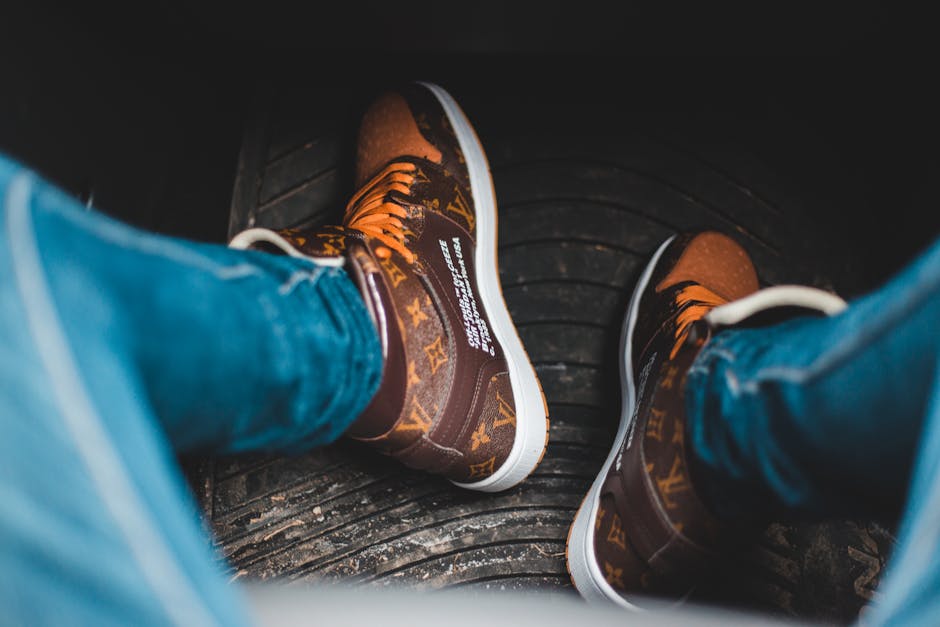
Shoes: Shoe production can involve hazardous chemicals and exploitative labor practices. Look for shoes made from organic cotton, recycled materials, or sustainable leather alternatives. Choose brands that prioritize fair wages and safe working conditions for their factory workers.
-
Scarves and Hats: Look for scarves and hats made from organic cotton, recycled fabrics, or sustainably sourced wool. Ensure that the dyeing process is eco-friendly and that workers are treated fairly.
-
Belts: Similar to bags and wallets, look for belts made from recycled materials, plant-based leather alternatives, or responsibly sourced leather with LWG certification. Consider the buckle material as well and opt for recycled metals or sustainable wood.
The Future of Ethical Accessories:
The demand for ethical accessories is growing as consumers become increasingly aware of the social and environmental impacts of their purchasing decisions. This trend is driving innovation in sustainable materials and manufacturing processes, and is encouraging brands to adopt more transparent and responsible practices.
Looking ahead, we can expect to see greater adoption of circular economy principles in the accessory industry, with a focus on designing products for durability, repairability, and recyclability. Increased transparency and traceability will also be crucial, empowering consumers to make informed choices and hold brands accountable for their ethical commitments.
By making conscious choices and supporting ethical brands, we can collectively contribute to a more sustainable and equitable future for the accessory industry.