Shop Sustainably: Your Guide to Guilt-Free Fashion
Understanding the Environmental and Social Impact of Fast Fashion
The fashion industry, particularly fast fashion, is a significant contributor to environmental degradation and social injustice. Understanding these impacts is the first step towards conscious consumerism.
-
Environmental Pollution: The production of textiles relies heavily on water, energy, and chemicals. Dyeing processes release toxic chemicals into waterways, polluting ecosystems and harming aquatic life. Cotton farming, while seemingly natural, often utilizes pesticides and excessive water consumption, leading to soil degradation and water scarcity. Synthetic fabrics, like polyester, are derived from petroleum and contribute to microplastic pollution, entering the food chain and impacting marine life. Discarded clothing often ends up in landfills, where they decompose and release harmful greenhouse gases like methane. Incineration, another disposal method, releases toxic air pollutants.
-
Resource Depletion: Fast fashion thrives on cheap materials and rapid production cycles, leading to the depletion of natural resources. The demand for raw materials like cotton, wood pulp (for viscose), and petroleum puts immense pressure on ecosystems and contributes to deforestation. The extraction and processing of these resources require significant energy input, contributing to greenhouse gas emissions and climate change.
-
Ethical Concerns: The fast fashion industry is notorious for exploiting garment workers in developing countries. These workers often face unsafe working conditions, long hours, and low wages, barely enough to survive. Child labor is also a persistent problem in some parts of the industry. Lack of transparency in supply chains makes it difficult to ensure fair labor practices and ethical sourcing.
Identifying Sustainable Fashion Brands
Navigating the world of sustainable fashion can be overwhelming. Look for brands that prioritize ethical and environmental responsibility. Consider these factors:
-
Certifications: Certifications like GOTS (Global Organic Textile Standard), Fairtrade, OEKO-TEX, and B Corp indicate that a brand meets specific environmental and social standards. GOTS certifies organic fibers and ensures environmentally and socially responsible processing. Fairtrade guarantees fair wages and safe working conditions for farmers and workers. OEKO-TEX certifies that textiles are free from harmful substances. B Corp certification signifies that a company balances profit with purpose, considering its impact on workers, communities, and the environment.
-
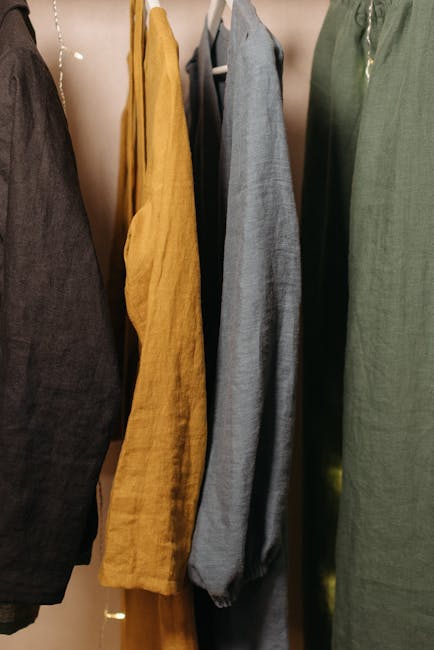
Material Sourcing: Sustainable brands prioritize eco-friendly materials like organic cotton, recycled polyester, Tencel (made from sustainably sourced wood pulp), linen (grown with minimal water and pesticides), and hemp (a highly sustainable crop). They often avoid materials like conventional cotton, which requires heavy pesticide use, and virgin polyester, derived from petroleum. Look for brands that use innovative materials like Piñatex (made from pineapple leaf fibers) or Econyl (recycled nylon).
-
Transparency and Traceability: Transparency is crucial for verifying a brand’s sustainability claims. Look for brands that provide detailed information about their supply chain, including where their materials are sourced, how their products are made, and the working conditions in their factories. Some brands publish lists of their suppliers or use blockchain technology to track their products from raw material to finished garment.
-
Ethical Production Practices: Sustainable brands prioritize fair labor practices, ensuring that their workers receive fair wages, safe working conditions, and the right to organize. They often partner with ethical factories that adhere to international labor standards. Look for brands that are transparent about their worker welfare policies and initiatives.
-
Circular Economy Principles: Embrace brands that adopt circular economy principles, designing products for durability, recyclability, and repair. Look for take-back programs where you can return old clothes for recycling or repurposing. Consider brands that offer repair services to extend the life of your garments.
Building a Sustainable Wardrobe
Creating a sustainable wardrobe is a gradual process that requires a shift in mindset.
-
Assess Your Current Wardrobe: Before buying anything new, take inventory of what you already own. Identify items you wear frequently and those that you rarely wear. Consider donating or selling clothes you no longer need. Repair or alter damaged items to extend their lifespan.
-
Shop Secondhand: Thrifting, buying from consignment shops, and exploring online platforms like Poshmark and ThredUp are excellent ways to find unique and affordable clothing while reducing demand for new production. Secondhand shopping reduces waste and extends the life cycle of garments.
-
Buy Less, Buy Better: Invest in high-quality, durable clothing that will last for years. Choose timeless styles that won’t go out of fashion quickly. Prioritize quality over quantity, focusing on pieces you truly love and will wear frequently.
-
Choose Versatile Pieces: Opt for versatile clothing items that can be mixed and matched to create multiple outfits. A capsule wardrobe, consisting of a limited number of essential pieces, can help you minimize your wardrobe and reduce consumption.
-
Care for Your Clothes Properly: Proper garment care can significantly extend the lifespan of your clothes. Wash clothes in cold water, use eco-friendly detergents, and avoid using a dryer whenever possible. Hang clothes to dry and store them properly to prevent damage. Learn basic sewing skills to repair minor tears or replace buttons.
-
Rent or Borrow: For occasional events or special occasions, consider renting clothing instead of buying something new. Rental services offer access to a wide range of styles without the commitment of ownership. Borrowing clothes from friends or family is another sustainable alternative.
Sustainable Practices Beyond Purchasing
Sustainability goes beyond just buying clothes. Consider these additional practices:
-
Support Local and Independent Designers: Buying from local and independent designers supports small businesses and reduces the environmental impact of transportation. Local designers often prioritize ethical and sustainable practices.
-
Wash Clothes Less Often: Overwashing can damage fabrics and shorten their lifespan. Only wash clothes when they are visibly dirty or smelly. Air out clothes after wearing them to freshen them up.
-
Mend and Repair: Learning basic sewing skills allows you to repair minor tears, replace buttons, and extend the life of your clothes. There are many online tutorials and workshops that can teach you basic mending techniques.
-
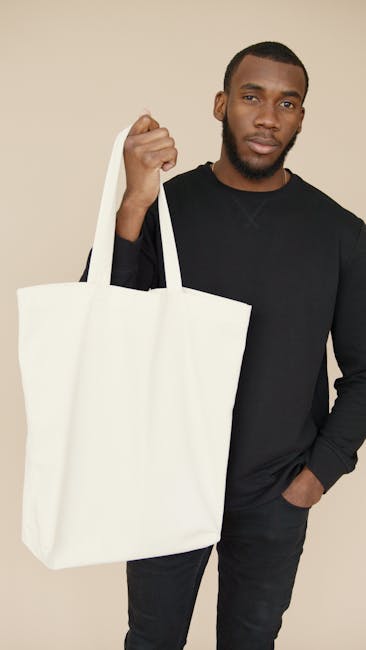
Upcycle and Repurpose: Get creative with old clothes and repurpose them into new items. Turn old t-shirts into cleaning rags, tote bags, or quilts. Cut up old denim jeans and create patches for other clothing items.
-
Dispose of Clothes Responsibly: When you can no longer wear or repurpose clothes, donate them to charity shops or textile recycling centers. Avoid throwing clothes in the trash, as they will end up in landfills.
-
Advocate for Change: Support organizations and initiatives that promote sustainable fashion. Advocate for policies that hold fashion brands accountable for their environmental and social impact. Educate yourself and others about the importance of sustainable fashion.
-
Reduce Impulse Buys: Avoid impulse purchases by taking time to consider whether you truly need an item before buying it. Ask yourself if you will wear it frequently and if it complements your existing wardrobe.
-
Question Trends: Resist the pressure to constantly update your wardrobe with the latest trends. Focus on building a timeless wardrobe that reflects your personal style. Be mindful of marketing tactics that encourage overconsumption.
By adopting these practices, you can create a more sustainable and ethical approach to fashion, reducing your environmental impact and contributing to a more just and equitable world. Your conscious choices can make a difference.