Reducing Fashion Waste: Simple Steps for a Cleaner Closet
The fashion industry, a vibrant tapestry of creativity and self-expression, also carries a heavy environmental burden. From resource-intensive production to overflowing landfills, the current linear “take-make-dispose” model is unsustainable. However, you have the power to disrupt this cycle, one garment at a time. This article explores practical steps you can take to reduce fashion waste and cultivate a cleaner, more responsible closet.
1. Understanding the Problem: The Scale of Fashion Waste
Before diving into solutions, it’s crucial to grasp the magnitude of the issue. Textile waste contributes significantly to landfill pollution, releasing harmful greenhouse gases during decomposition. Fast fashion, with its rapid turnover of trends, exacerbates this problem by encouraging overconsumption and disposability. Furthermore, the production of textiles requires vast amounts of water, energy, and chemicals, impacting ecosystems and human health. Consider the environmental footprint of your clothing choices as a starting point for change.
2. Assessing Your Current Wardrobe: The Closet Audit
The first step towards a cleaner closet is taking stock of what you already own. A thorough closet audit involves emptying your wardrobe and critically evaluating each item. Ask yourself:
- Does it fit well? Clothes that don’t fit are unlikely to be worn and will likely end up discarded.
- Do I love it? Sentimental value aside, if you consistently avoid wearing something, it’s time to consider letting it go.
- Is it damaged beyond repair? While minor repairs are encouraged, items with irreparable damage are candidates for responsible disposal (discussed later).
- Have I worn it in the past year? Unworn items often indicate a mismatch between your current lifestyle and your clothing.
Organize items into categories: keep, donate, sell, repair, and recycle. This process provides a clear picture of your current consumption habits and helps identify areas for improvement.
3. Mindful Purchasing: Quality Over Quantity
The most effective way to reduce fashion waste is to consume less. Before making a purchase, ask yourself:
- Do I truly need it? Resist impulse buying driven by trends or sales. Consider whether the item fills a genuine gap in your wardrobe or duplicates existing pieces.
- What is it made of? Opt for durable, sustainable materials like organic cotton, linen, hemp, Tencel, or recycled fabrics. Avoid synthetic fibers like polyester, which are derived from fossil fuels and shed microplastics during washing.
- How was it made? Research brands that prioritize ethical labor practices and transparent supply chains. Look for certifications like Fair Trade or GOTS (Global Organic Textile Standard).
- Will it last? Invest in well-made, classic pieces that will withstand wear and tear and remain stylish for years to come. Consider the cost per wear over the lifetime of the garment.
4. Embracing Slow Fashion: A Conscious Approach
Slow fashion is a philosophy that prioritizes quality, sustainability, and ethical production over fleeting trends. It encourages a more deliberate and mindful approach to clothing consumption. Here’s how to embrace slow fashion:
- Support sustainable brands: Seek out companies committed to ethical and environmental responsibility.
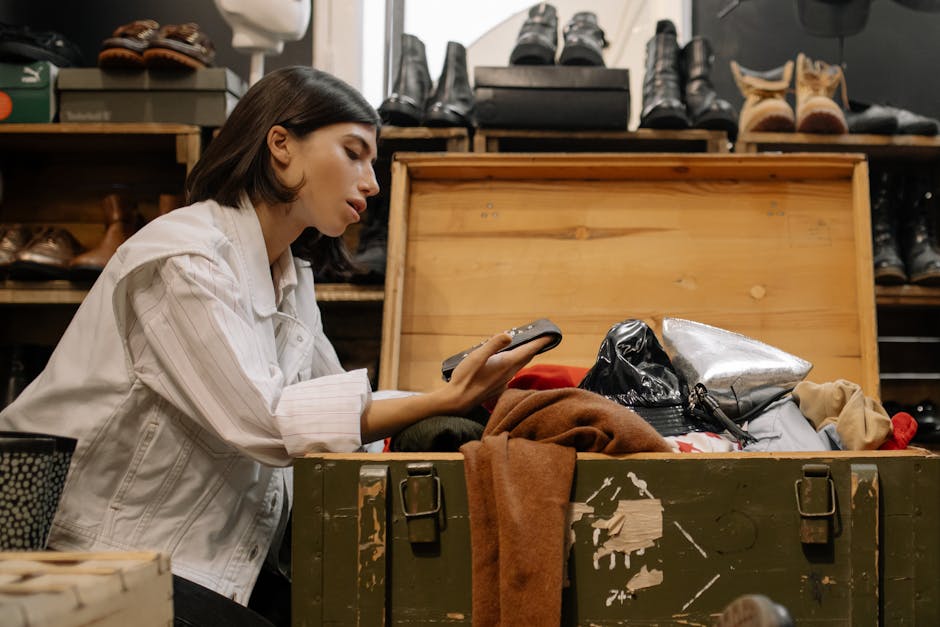
- Shop secondhand: Explore thrift stores, consignment shops, and online platforms for pre-loved clothing. This reduces the demand for new production and gives garments a second life.
- Choose timeless styles: Opt for classic silhouettes and neutral colors that transcend trends and remain versatile in your wardrobe.
- Repair and alter your clothes: Learn basic sewing skills to mend tears, replace buttons, or adjust the fit of your garments.
5. Extending Garment Lifespan: Care and Maintenance
Proper care and maintenance can significantly extend the lifespan of your clothing. Follow these tips:
- Read the care label: Adhere to washing instructions to prevent shrinkage, fading, or damage.
- Wash clothes less frequently: Over-washing can wear down fabrics and contribute to fading. Spot clean stains whenever possible.
- Use eco-friendly detergents: Opt for detergents that are biodegradable and free of harsh chemicals.
- Air dry your clothes: Tumble drying consumes significant energy and can damage fabrics. Air drying is gentler and more environmentally friendly.
- Store clothes properly: Protect clothes from moths, sunlight, and moisture to prevent damage. Use cedar chips or lavender sachets to repel pests.
6. Repair and Upcycle: Giving Clothes a Second Chance
Instead of discarding damaged or unwanted clothing, consider repair and upcycling options.
- Learn basic sewing skills: Mastering simple repairs like mending tears, replacing buttons, or hemming pants can significantly extend the lifespan of your garments.
- Get creative with upcycling: Transform old clothes into new items. Turn old t-shirts into reusable shopping bags, denim jeans into patchwork quilts, or outdated dresses into stylish tops.
- Find a tailor: If you lack sewing skills, hire a tailor to repair or alter your clothes.
7. Responsible Disposal: Avoiding Landfills
When clothes are beyond repair or no longer suitable for donation or resale, explore responsible disposal options.
- Textile recycling: Search for textile recycling programs in your area. Many organizations collect unwanted clothing and textiles to be repurposed into new materials.
- Donation: Donate gently used clothing to charities, shelters, or thrift stores. Ensure the items are clean and in good condition.
- Resale: Sell unwanted clothing through consignment shops, online platforms, or clothing swaps.
- Composting (natural fibers): Natural fibers like cotton, linen, and hemp can be composted in a home compost bin. Ensure the fabric is free of synthetic dyes and embellishments.
8. Supporting Sustainable Brands: Investing in the Future
Choose to support brands that prioritize ethical and sustainable practices. Look for companies that:
- Use sustainable materials: Employ organic cotton, recycled fabrics, or other environmentally friendly materials.
- Practice ethical labor: Ensure fair wages and safe working conditions for garment workers.
- Minimize waste: Implement waste reduction strategies throughout their supply chain.
- Promote transparency: Provide detailed information about their sourcing, production, and environmental impact.
9. Participating in Clothing Swaps: Sharing and Reducing Waste
Clothing swaps are a fun and sustainable way to refresh your wardrobe without contributing to new production. Organize a swap with friends, family, or community members. Each participant brings gently used clothing items to exchange. This reduces waste, saves money, and promotes a sense of community.
10. Educating Others: Spreading the Word
Share your knowledge and inspire others to adopt sustainable fashion practices. Talk to your friends, family, and colleagues about the importance of reducing fashion waste. Promote sustainable brands and practices on social media. By raising awareness, you can contribute to a collective shift towards a more responsible and sustainable fashion industry.