Sustainable Clothing Materials: Choosing the Right Options
The fashion industry is a significant contributor to global pollution, consuming vast amounts of water, energy, and resources. As consumers become increasingly aware of this impact, the demand for sustainable clothing is growing. But navigating the world of eco-friendly fabrics can be confusing. Understanding the properties and impacts of different sustainable clothing materials is crucial for making informed choices that align with your values and contribute to a healthier planet.
Organic Cotton: A Natural Fiber with Considerations
Organic cotton is grown without the use of synthetic pesticides, herbicides, and genetically modified organisms (GMOs). This reduces the harmful chemicals released into the environment and protects the health of farmers. Compared to conventional cotton, organic cotton farming practices often utilize water more efficiently and promote soil health through crop rotation and composting.
Benefits of Organic Cotton:
- Reduced Chemical Exposure: Eliminates the use of harmful pesticides and herbicides, safeguarding the health of farmers and ecosystems.
- Improved Soil Health: Promotes soil fertility and biodiversity through natural farming practices.
- Water Conservation: While still a water-intensive crop, organic cotton often employs water-saving techniques.
- Biodegradable: Naturally breaks down, reducing landfill waste.
Challenges of Organic Cotton:
- Water Usage: While better than conventional cotton, organic cotton still requires significant water resources, particularly in arid regions.
- Yield: Organic cotton yields can sometimes be lower than conventional cotton, potentially leading to higher prices.
- Certification: Ensuring genuine organic certification (e.g., GOTS) is crucial to avoid greenwashing.
Recycled Cotton: Giving Waste a New Life
Recycled cotton utilizes pre-consumer (fabric scraps from garment production) and post-consumer (old clothing) cotton waste. By diverting these materials from landfills, recycled cotton reduces the need for virgin cotton production, saving water, energy, and land.
Benefits of Recycled Cotton:
- Waste Reduction: Diverts textile waste from landfills.
- Reduced Resource Consumption: Lowers the demand for virgin cotton, conserving water, energy, and land.
- Lower Environmental Impact: Significantly reduces the environmental footprint compared to conventional cotton.
Challenges of Recycled Cotton:
- Fiber Degradation: Recycled cotton fibers tend to be shorter and weaker than virgin cotton fibers, often requiring blending with other fibers (e.g., organic cotton or recycled polyester) for strength and durability.
- Color Sorting and Dyeing: Sorting and matching colors of recycled cotton can be labor-intensive, and further dyeing may be necessary, potentially introducing environmental impacts.
- Supply Chain Traceability: Ensuring the ethical sourcing and processing of recycled cotton can be challenging.
Hemp: A Strong and Sustainable Fiber
Hemp is a fast-growing, low-input crop that requires minimal pesticides and herbicides. It thrives in various climates and enriches the soil through its deep roots. Hemp fibers are incredibly strong and durable, making them suitable for a wide range of clothing applications.
Benefits of Hemp:
- Low Environmental Impact: Requires minimal pesticides, herbicides, and fertilizers.
- Fast Growth: Grows quickly and yields a high amount of fiber per acre.
- Soil Health: Improves soil structure and prevents erosion.
- Strong and Durable: Creates long-lasting and resilient fabrics.
- Naturally Pest-Resistant: Requires less intervention to thrive.
Challenges of Hemp:
- Processing Challenges: Processing hemp fibers can be more complex and expensive than processing cotton.
- Availability: Hemp fabrics may be less widely available than other sustainable options.
- Texture: Hemp can sometimes feel rough, but this can be improved through blending with other fibers.
Linen: A Breathable and Durable Fabric from Flax
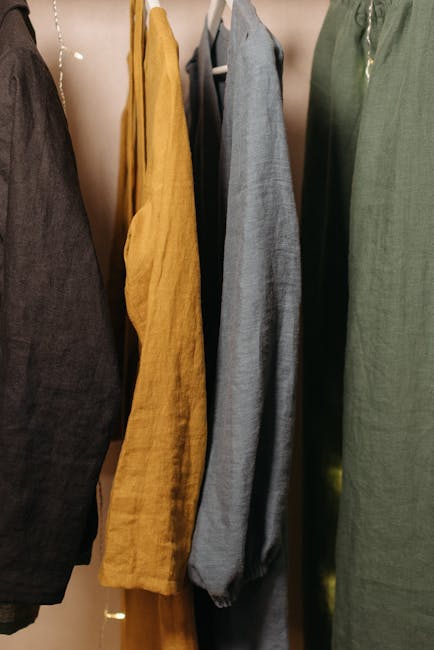
Linen is derived from the flax plant, a resilient crop that requires minimal water and pesticides. Flax cultivation can even improve soil health through crop rotation. Linen fabrics are known for their breathability, durability, and elegant drape.
Benefits of Linen:
- Low Water Usage: Flax requires less water than cotton.
- Minimal Pesticide Use: Flax is naturally pest-resistant.
- Strong and Durable: Linen fabrics are known for their longevity.
- Breathable and Comfortable: Ideal for warm weather clothing.
- Biodegradable: Decomposes naturally.
Challenges of Linen:
- Wrinkling: Linen is prone to wrinkling, which may require ironing.
- Production Costs: Linen production can be more expensive than cotton production.
Lyocell (Tencel): A Closed-Loop Fiber from Wood Pulp
Lyocell, often marketed as Tencel (a brand name), is a regenerated cellulosic fiber made from wood pulp, typically from sustainably managed forests. The production process uses a closed-loop system, meaning that the solvents used to dissolve the wood pulp are recycled and reused, minimizing environmental impact.
Benefits of Lyocell:
- Sustainable Sourcing: Uses wood pulp from sustainably managed forests.
- Closed-Loop Production: Minimizes waste and pollution through solvent recycling.
- Soft and Comfortable: Creates fabrics that are soft, smooth, and breathable.
- Moisture-Wicking: Effectively absorbs moisture, making it ideal for activewear.
- Biodegradable: Decomposes naturally.
Challenges of Lyocell:
- Forest Management: Ensuring the sustainability of the forests from which the wood pulp is sourced is crucial.
- Production Costs: Lyocell production can be more expensive than some other fabrics.
Recycled Polyester (rPET): Transforming Plastic Waste into Fabric
Recycled polyester (rPET) is made from recycled plastic bottles and other plastic waste. By diverting these materials from landfills and oceans, rPET reduces pollution and the demand for virgin polyester, which is derived from petroleum.
Benefits of Recycled Polyester:
- Waste Reduction: Diverts plastic waste from landfills and oceans.
- Reduced Reliance on Petroleum: Lowers the demand for virgin polyester.
- Lower Environmental Impact: Requires less energy and water than producing virgin polyester.
- Durable and Versatile: Retains the properties of virgin polyester, making it suitable for various clothing applications.
Challenges of Recycled Polyester:
- Microplastic Pollution: Recycled polyester, like virgin polyester, can shed microplastics during washing. Using a laundry bag designed to trap microplastics can help mitigate this issue.
- Recycling Limitations: Recycled polyester cannot be infinitely recycled; it eventually degrades and becomes unusable.
- Sourcing Transparency: Ensuring the authenticity and ethical sourcing of recycled plastic can be challenging.
Bamboo Fabric: A Controversial Choice
Bamboo fabric is often marketed as a sustainable option, but its environmental impact depends heavily on the production process. Bamboo can be a rapidly renewable resource, but the process of turning bamboo into rayon (the most common type of bamboo fabric) often involves harsh chemicals.
Benefits of Bamboo:
- Fast-Growing Resource: Bamboo grows quickly and requires minimal pesticides.
- Soft and Comfortable: Bamboo rayon fabrics are known for their softness and drape.
- Moisture-Wicking: Effectively absorbs moisture.
Challenges of Bamboo:
- Rayon Production: The viscose/rayon process used to create most bamboo fabric involves harsh chemicals that can pollute the environment.
- Deforestation: Unsustainable bamboo farming practices can contribute to deforestation.
- Greenwashing: Some bamboo fabrics are marketed as sustainable despite being produced using environmentally damaging processes.
Emerging Sustainable Materials: Innovation in Textiles
The field of sustainable materials is constantly evolving, with new and innovative fabrics emerging regularly. These include:
- Piñatex: Made from pineapple leaf fibers, a byproduct of pineapple harvesting.
- Mylo: Made from mycelium (mushroom roots), offering a leather alternative.
- Orange Fiber: Made from citrus juice byproducts.
- Seaweed Fabric: Made from sustainably harvested seaweed.
These emerging materials offer promising alternatives to conventional textiles, but they are still in the early stages of development and may not be widely available.
Making Informed Choices:
Choosing sustainable clothing materials requires careful consideration of the benefits and challenges of each option. Look for certifications like GOTS (Global Organic Textile Standard), Oeko-Tex Standard 100, and Bluesign to ensure that fabrics meet specific environmental and social standards. Support brands that prioritize transparency and ethical production practices. By making informed choices, consumers can contribute to a more sustainable and responsible fashion industry.