From Drab to Fab: Clothing Transformation Techniques
I. Dyeing for a Dramatic Difference: Unleashing the Power of Color
Dyeing stands as one of the most transformative clothing alteration techniques, capable of breathing new life into faded fabrics or completely reinventing a garment’s aesthetic. The key lies in understanding fabric composition and selecting the appropriate dye type. Natural fibers like cotton, linen, silk, and wool readily accept fiber-reactive dyes or acid dyes, offering vibrant and lasting results. Synthetic fibers, however, often require specialized disperse dyes and higher temperatures for effective color penetration.
-
Fabric Preparation: Thorough washing removes sizing, finishes, and oils that can impede dye absorption. Pre-soaking the garment in a soda ash solution (for cellulose fibers) or a vinegar solution (for protein fibers) can further enhance dye uptake. Always refer to the dye manufacturer’s instructions for specific pre-treatment recommendations.
-
Dye Selection: Fiber-reactive dyes, like Procion MX, are ideal for cotton, linen, rayon, and other plant-based fabrics. They bond chemically with the fiber, resulting in excellent wash fastness and color brilliance. Acid dyes, designed for animal fibers like wool, silk, and nylon, require an acidic environment (usually vinegar) to facilitate dye absorption. Disperse dyes, used for polyester and acetate, necessitate high temperatures (often near boiling) and a carrier agent to penetrate the fiber structure.
-
Dyeing Methods: The stovetop method offers precise temperature control, perfect for achieving even color saturation, especially with protein fibers. The washing machine method, while less precise, allows for dyeing larger items. Tie-dyeing, utilizing techniques like shibori or batik, creates unique patterns and textures. Hand-painting with fabric dyes provides artistic freedom for intricate designs.
-
Troubleshooting: Uneven dyeing can result from insufficient agitation, inadequate dye concentration, or uneven fabric preparation. Fading can occur if the dye is not properly fixed or if the garment is exposed to excessive sunlight or harsh detergents. Blotchy results may indicate dye pooling in folds or wrinkles.
-
Safety Precautions: Always wear gloves, a mask, and eye protection when working with dyes. Ensure proper ventilation. Follow the dye manufacturer’s safety guidelines meticulously.
II. Embellishment Extravaganza: Adding Flair with Texture and Detail
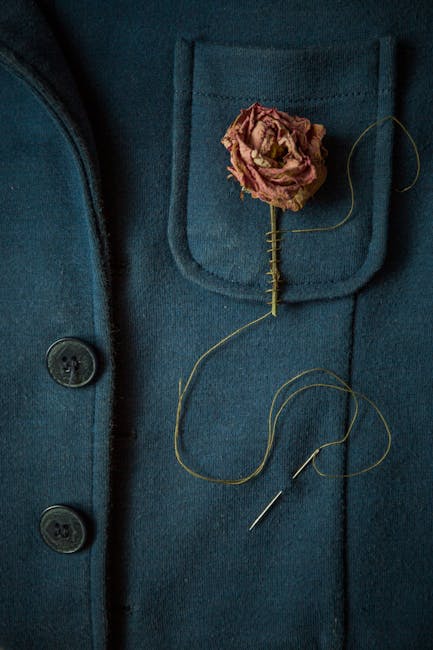
Embellishments elevate clothing from basic to bespoke, injecting personality and visual interest. From simple beads and sequins to intricate embroidery and appliqués, the possibilities are endless.
-
Beading and Sequins: Hand-sewing beads and sequins onto garments creates dazzling effects. Utilize a beading needle and strong thread that matches the fabric color. Consider the weight of the beads; heavier beads may require reinforcement. Explore different beading techniques like backstitch beading, running stitch beading, and seed bead embroidery.
-
Embroidery: Hand embroidery, using techniques like satin stitch, stem stitch, and French knots, adds a handcrafted touch. Embroidery machines offer faster and more precise results for complex designs. Stabilizers are crucial for preventing fabric distortion during machine embroidery. Consider the fabric’s weight and weave when selecting embroidery threads and needle size.
-
Appliqués: Fabric appliqués involve attaching fabric shapes onto a garment’s surface using stitching or fusible web. Raw-edge appliqués offer a rustic, textured look, while finished-edge appliqués provide a cleaner, more polished finish. Consider using different fabrics, textures, and colors for contrast.
-
Ribbon Work: Incorporating ribbons into clothing designs adds dimension and elegance. Ribbon embroidery, ribbon trim, and ribbon embellishments create unique textures and visual appeal. Experiment with different ribbon widths, colors, and materials.
-
Fabric Painting: Fabric paints allow for direct application of designs onto clothing. Stencils, freehand painting, and sponge techniques offer diverse artistic expression. Heat-setting the paint is essential for durability and washability.
-
Considerations: Choose embellishments that complement the garment’s style and fabric. Avoid overwhelming the garment with too many embellishments. Securely attach embellishments to prevent them from falling off.
III. Alterations for a Perfect Fit: Tailoring Techniques for Flattering Silhouettes
Proper fit is paramount for clothing that looks and feels good. Mastering basic alteration techniques can transform ill-fitting garments into perfectly tailored pieces.
-
Taking in Seams: This technique reduces the garment’s overall size by stitching closer to the existing seam line. Measure the amount to be taken in evenly on both sides of the seam. Pin the new seam line, baste, and then stitch. Press the seam allowance open or to one side.
-
Letting out Seams: Releasing existing seams to create more room. Assess the seam allowance available before attempting to let out a seam. Carefully remove the original stitching. Press the seam allowance flat. If insufficient fabric exists, consider adding gussets or panels.
-
Hemming: Shortening or lengthening the hem of a garment. Decide on the desired hem length. Press the new hemline. Choose a hemming technique appropriate for the fabric and style, such as a rolled hem, blind hem, or serged hem.
-
Adjusting Sleeves: Shortening or lengthening sleeves. To shorten, turn up the excess fabric to the inside and stitch. To lengthen, consider adding a cuff or facing. Altering sleeve width requires adjusting the side seam.
-
Replacing Zippers: Replacing broken or malfunctioning zippers. Carefully remove the old zipper. Pin the new zipper in place, ensuring it is aligned correctly. Baste and then stitch the new zipper to the garment.
-
Adding Darts: Darts shape fabric to fit the body’s curves. Mark the dart placement and size accurately. Fold the fabric along the dart line. Stitch from the wide end of the dart to the point, gradually decreasing the stitch length. Tie off the thread securely. Press the dart towards the center of the garment.
-
Fit Assessment: Always try on the garment during the alteration process to ensure a proper fit. Use a full-length mirror to assess the silhouette from all angles.
IV. Upcycling and Reconstruction: Creating Unique Garments from Existing Materials
Upcycling breathes new life into old clothes and discarded fabrics, transforming them into unique and stylish creations.
-
Frankensteining: Combining elements from multiple garments to create a new one. This could involve using the bodice from one dress and the skirt from another, or incorporating sleeves from a different shirt.
-
Patchwork and Quilting: Creating a new garment by piecing together fabric scraps. This technique allows for creative use of leftover fabrics and adds texture and visual interest.
-
Deconstructing and Reconstructing: Taking apart an existing garment and using the pieces to create a new design. This allows for complete reinvention and customization.
-
Adding New Elements: Incorporating new fabrics, trims, and embellishments to update and personalize existing garments. This could involve adding lace to a dress, replacing buttons on a coat, or adding a new collar to a shirt.
-
Pattern Hacking: Modifying existing sewing patterns to create unique designs. This allows for customization and experimentation with different styles and silhouettes.
-
Considerations: Carefully assess the condition and quality of the materials being used. Plan the design thoroughly before beginning the upcycling process. Consider the functionality and wearability of the final garment.