Eco-Friendly Wardrobe: A Comprehensive Guide
Understanding the Environmental Impact of Fashion
The fashion industry, a behemoth of global commerce, carries a significant environmental burden. Understanding this impact is the first step towards building an eco-friendly wardrobe. Fast fashion, in particular, fuels a cycle of rapid production and disposal, exacerbating numerous environmental issues.
-
Water Consumption: Textile production, particularly cotton, is incredibly water-intensive. Irrigation for cotton farming depletes water resources, leading to water scarcity in already arid regions. Dyeing processes also use vast quantities of water, often contaminated with harmful chemicals that pollute waterways.
-
Carbon Emissions: The fashion supply chain is highly carbon-intensive. Transportation of raw materials, manufacturing, and distribution across the globe contribute significantly to greenhouse gas emissions. Synthetic fabrics, derived from fossil fuels, add to this carbon footprint.
-
Textile Waste: Mountains of discarded clothing end up in landfills annually. Many textiles are non-biodegradable, taking hundreds of years to decompose. The incineration of textile waste releases harmful pollutants into the atmosphere.
-
Chemical Pollution: The use of dyes, finishes, and other chemicals in textile production poses a significant threat to human health and the environment. These chemicals can contaminate water sources, harm aquatic life, and cause skin irritations and respiratory problems.
-
Microplastic Pollution: Synthetic fabrics, such as polyester and nylon, shed microplastics during washing. These tiny plastic particles enter waterways, contributing to microplastic pollution in oceans and potentially harming marine life.
Building Blocks of an Eco-Friendly Wardrobe
Creating a sustainable wardrobe is a journey, not a destination. It involves making conscious choices about the clothes we buy, how we care for them, and what we do with them when we no longer need them.
-
Evaluate Your Current Wardrobe: Before buying anything new, take stock of what you already own. Identify pieces you love, wear frequently, and that fit well. Assess items that are damaged, ill-fitting, or that you no longer enjoy. This helps avoid unnecessary purchases and encourages mindful consumption.
-
Prioritize Quality Over Quantity: Invest in fewer, high-quality garments that are built to last. Durable fabrics, well-constructed seams, and timeless designs ensure that your clothes will withstand years of wear. While these items may be more expensive initially, they often prove more cost-effective in the long run, reducing the need for frequent replacements.
-
Choose Sustainable Fabrics: Opt for fabrics that have a lower environmental impact. Consider these sustainable alternatives:
-
Organic Cotton: Grown without synthetic pesticides and fertilizers, organic cotton reduces water pollution and promotes healthier soil. Look for certifications like GOTS (Global Organic Textile Standard).
-
Recycled Cotton: Made from pre-consumer or post-consumer cotton waste, recycled cotton reduces the demand for virgin cotton and minimizes textile waste.
-
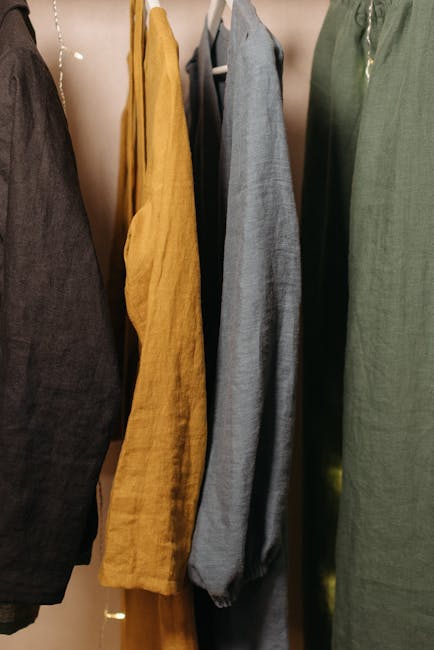
Linen: Derived from the flax plant, linen is a strong and durable fabric that requires less water and fewer pesticides than cotton.
-
Hemp: Hemp is a fast-growing plant that requires minimal water and pesticides. It produces a strong and durable fiber suitable for a variety of clothing items.
-
Tencel/Lyocell: Made from sustainably sourced wood pulp, Tencel is a soft, absorbent, and biodegradable fabric produced in a closed-loop system that minimizes waste and water usage.
-
Recycled Polyester (rPET): Made from recycled plastic bottles, rPET reduces plastic waste and requires less energy to produce than virgin polyester.
-
-
Seek Out Ethical Brands: Support brands that prioritize ethical labor practices and environmental responsibility. Look for certifications like Fair Trade and B Corp, which indicate a commitment to fair wages, safe working conditions, and sustainable practices throughout the supply chain. Research brands’ transparency policies and look for information about their manufacturing processes and environmental impact.
-
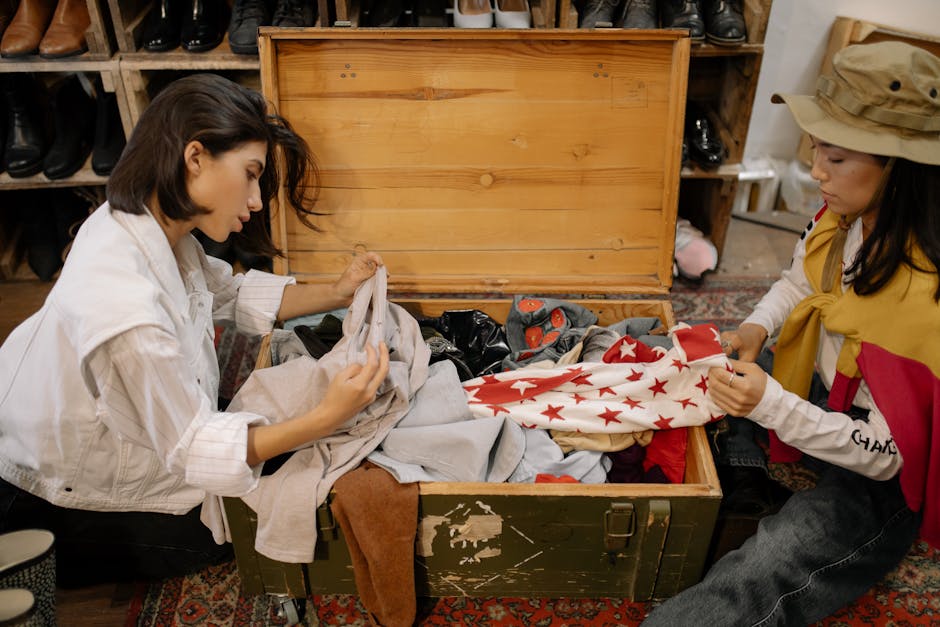
Embrace Secondhand Shopping: Shopping for vintage and used clothing is a fantastic way to reduce textile waste and find unique, one-of-a-kind pieces. Explore thrift stores, consignment shops, online marketplaces, and clothing swaps. Extending the life cycle of existing garments minimizes the demand for new production.
-
Rent Clothing for Special Occasions: For events or occasions where you need a specific outfit that you might only wear once, consider renting clothing instead of buying it. Clothing rental services offer a wide variety of styles and sizes, providing a sustainable and cost-effective alternative to purchasing new items.
-
Care for Your Clothes Properly: Proper garment care can significantly extend the life of your clothes.
-
Wash clothes less frequently: Over-washing can damage fabrics and fade colors. Only wash clothes when they are truly dirty.
-
Wash in cold water: Cold water washing uses less energy than hot water washing and is gentler on fabrics.
-
Use eco-friendly detergents: Conventional detergents often contain harsh chemicals that can pollute waterways. Opt for detergents that are biodegradable, phosphate-free, and fragrance-free.
-
Air dry your clothes: Tumble drying consumes significant energy. Air drying your clothes on a clothesline or drying rack is a more sustainable and gentle alternative.
-
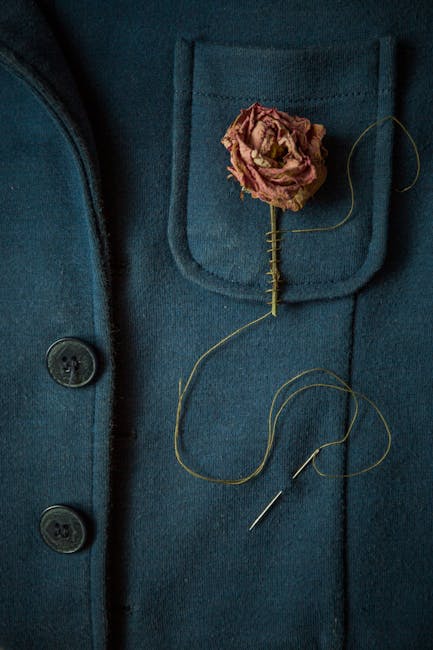
Repair and mend your clothes: Learn basic sewing skills to repair minor damages like tears, holes, and loose buttons. Mending your clothes can significantly extend their lifespan.
-
-
Repurpose and Upcycle: Get creative with old clothes by repurposing them into new items. Turn old t-shirts into cleaning rags, denim jeans into bags, or fabric scraps into quilts. Upcycling gives new life to discarded textiles and reduces waste.
-
Donate or Recycle Unwanted Clothing: Instead of throwing away unwanted clothing, donate it to charitable organizations or textile recycling programs. Many organizations accept donations of gently used clothing and distribute them to those in need. Textile recycling programs can break down old clothing and transform it into new fibers or other products.
-
Be a Conscious Consumer: Before making a purchase, ask yourself if you truly need the item. Avoid impulse buys and consider the long-term impact of your purchasing decisions. Support brands that are transparent about their sustainability practices and prioritize ethical production.
Navigating Greenwashing
Greenwashing is the practice of misleading consumers into believing that a product or brand is more environmentally friendly than it actually is. Be aware of common greenwashing tactics and learn to identify genuine sustainability efforts.
-
Look for Certifications: Certifications like GOTS, Fair Trade, and B Corp provide assurance that a product or brand meets specific environmental and social standards.
-
Read Labels Carefully: Pay attention to the materials used in the garment and look for information about the manufacturing process.
-
Research the Brand: Investigate the brand’s sustainability initiatives and look for evidence of their commitment to environmental and social responsibility.
-
Be Skeptical of Vague Claims: Watch out for vague terms like “eco-friendly” or “sustainable” without specific details or supporting evidence.
-
Consider the Entire Life Cycle: Think about the entire life cycle of the garment, from raw material extraction to disposal, and assess its overall environmental impact.
Embracing a Minimalist Wardrobe
A minimalist wardrobe focuses on owning fewer, high-quality items that can be mixed and matched to create a variety of outfits. This approach reduces consumption, simplifies your life, and promotes a more sustainable lifestyle.
-
Choose Versatile Pieces: Select clothing items that can be worn in multiple ways and that coordinate well with other pieces in your wardrobe.
-
Create a Capsule Wardrobe: Curate a collection of essential items that can be mixed and matched to create a variety of outfits.
-
Avoid Trend-Driven Purchases: Focus on classic, timeless styles that will remain relevant for years to come.
-
Embrace Quality Over Quantity: Invest in fewer, high-quality items that are built to last.
-
Be Mindful of Your Purchases: Before buying anything new, ask yourself if you truly need it and if it aligns with your minimalist goals.
The Future of Sustainable Fashion
The fashion industry is evolving, with growing awareness of its environmental and social impact. Innovations in sustainable materials, manufacturing processes, and business models are paving the way for a more responsible and circular fashion industry.
-
Innovative Materials: Scientists and designers are developing new sustainable materials, such as bio-based fabrics made from algae or mushrooms, and lab-grown cotton.
-
Circular Economy: The circular economy aims to minimize waste and maximize resource utilization by designing products for durability, repairability, and recyclability.
-
Transparency and Traceability: Increased transparency in the supply chain allows consumers to track the origin of their clothing and ensure that it is produced ethically and sustainably.
-
Technology and Innovation: Technology is playing a key role in developing sustainable solutions, such as 3D printing for clothing, and blockchain technology for supply chain traceability.
Building an eco-friendly wardrobe is a continuous process of learning, adapting, and making conscious choices. By embracing sustainable practices, we can reduce the environmental impact of fashion and contribute to a more responsible and ethical industry.