Eco-Friendly Wardrobe Essentials: Building a Sustainable Foundation
1. The Organic Cotton Tee: A Versatile Staple
The cornerstone of any sustainable wardrobe is the organic cotton t-shirt. Prioritize organic cotton over conventionally grown cotton because its production significantly reduces the environmental impact. Conventional cotton farming relies heavily on pesticides and synthetic fertilizers, which contaminate water sources, deplete soil health, and pose risks to human health, particularly for farmers. Organic cotton, on the other hand, is grown using natural farming methods that promote biodiversity, conserve water, and improve soil fertility. Look for certifications like GOTS (Global Organic Textile Standard) to ensure the cotton is truly organic and ethically produced.
Beyond its environmental benefits, the organic cotton tee is incredibly versatile. Choose classic cuts like crew neck and v-neck in neutral colors like white, black, gray, and navy. These can be easily dressed up or down, making them suitable for various occasions. Layer them under sweaters, jackets, or blazers. Pair them with jeans, skirts, or trousers. The possibilities are endless.
When selecting your organic cotton tee, pay attention to the fabric weight and weave. A heavier weight fabric (around 5-7 oz) will generally be more durable and less see-through, while a lighter weight fabric (around 3-4 oz) will be more breathable and suitable for warmer climates. Look for t-shirts with a tight weave, which indicates better quality and reduced shrinkage after washing.
Consider investing in a few high-quality organic cotton tees that will last for years rather than buying numerous cheaper options that will quickly wear out. Proper care, such as washing in cold water and air drying, will further extend their lifespan.
2. The Upcycled Denim Jeans: Giving Waste a New Life
Denim production is notoriously resource-intensive and environmentally damaging. The process requires vast amounts of water for growing cotton and dyeing the fabric. It also involves the use of harmful chemicals and energy-intensive processes. Upcycled denim jeans offer a sustainable alternative by repurposing existing denim fabrics that would otherwise end up in landfills.
Upcycling involves transforming waste materials into new products of higher value. In the case of upcycled denim, old jeans, denim scraps, and discarded denim garments are collected, cleaned, and redesigned into new pairs of jeans. This reduces the demand for virgin cotton, conserves water, and reduces waste.
When shopping for upcycled denim jeans, look for brands that are transparent about their sourcing and production processes. Check if they use eco-friendly dyes and washes. Consider the style and fit of the jeans. Classic cuts like straight leg, bootcut, and slim fit are timeless and versatile. Avoid overly trendy styles that may quickly go out of fashion.
Upcycled denim jeans often have unique characteristics and imperfections that add to their charm. Embrace these imperfections as a testament to the jeans’ history and the sustainable practices used in their creation.
To prolong the life of your upcycled denim jeans, wash them as infrequently as possible. Spot clean when necessary. When you do wash them, turn them inside out and use cold water and a mild detergent. Air dry to prevent shrinkage and fading.
3. The Recycled Polyester Activewear: Performance with a Purpose
Activewear often relies on synthetic fabrics like polyester, which are derived from petroleum. Recycled polyester, typically made from recycled plastic bottles, offers a more sustainable alternative. By using recycled polyester, we reduce the demand for virgin polyester, divert plastic waste from landfills and oceans, and conserve fossil fuels.
Recycled polyester is just as durable and functional as virgin polyester. It offers excellent moisture-wicking properties, breathability, and stretch, making it ideal for activewear. Look for activewear made from 100% recycled polyester or a blend of recycled polyester and other sustainable materials like organic cotton or Tencel.
Consider the type of activewear you need. Essential pieces include leggings, sports bras, tank tops, and shorts. Choose versatile styles that can be worn for various activities, from yoga and running to hiking and gym workouts. Opt for neutral colors that can be easily mixed and matched.
When selecting recycled polyester activewear, pay attention to the fit and comfort. Choose sizes that provide adequate support and freedom of movement. Look for features like flat seams to prevent chafing and adjustable straps for a customized fit.
To care for your recycled polyester activewear, wash it in cold water and avoid using fabric softeners, which can damage the fabric’s performance properties. Air dry to prevent shrinkage and maintain its shape.
4. The Hemp or Linen Dress: Natural Comfort and Style
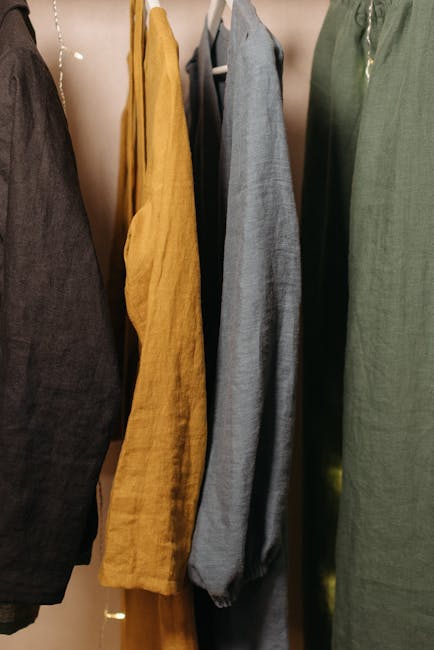
Hemp and linen are natural fibers that offer a sustainable alternative to conventional fabrics like cotton and polyester. Hemp is a highly sustainable crop that requires little water and pesticides to grow. It also produces a strong and durable fiber. Linen is made from flax plants, which are also relatively easy to grow and require minimal inputs.
Both hemp and linen are breathable, lightweight, and absorbent, making them ideal for warm weather clothing. They also have a natural texture and drape that adds to their visual appeal. Choose a simple and versatile hemp or linen dress that can be dressed up or down for various occasions. A-line dresses, shift dresses, and wrap dresses are all classic and flattering styles.
Consider the color and print of the dress. Neutral colors like white, beige, and gray are timeless and versatile. Earthy tones like olive green and rust are also good choices. Avoid overly trendy prints that may quickly go out of style.
When selecting a hemp or linen dress, pay attention to the construction and details. Look for dresses with well-finished seams, sturdy zippers, and durable buttons. Consider the length of the dress. A midi-length dress is a versatile option that can be worn for both casual and more formal occasions.
To care for your hemp or linen dress, wash it in cold water and hang it to dry. Avoid using a dryer, as it can cause shrinkage and wrinkling. Iron on a low setting if necessary.
5. The Sustainable Shoes: Walking the Talk
Footwear production can have a significant environmental impact. The use of synthetic materials like plastic and rubber, combined with energy-intensive manufacturing processes, contributes to pollution and greenhouse gas emissions. Sustainable shoes offer a more eco-friendly alternative by using recycled, renewable, or plant-based materials and minimizing waste.
Look for shoes made from materials like recycled rubber, organic cotton, recycled polyester, Tencel, or plant-based leather alternatives like Piñatex (made from pineapple leaf fibers) or mushroom leather. Consider the type of shoe you need. Essential options include sneakers, sandals, and boots.
Choose versatile styles that can be worn for various activities. Classic sneakers in neutral colors are a wardrobe staple. Comfortable sandals made from recycled materials are perfect for warm weather. Durable boots made from plant-based leather alternatives are a stylish and sustainable option for colder months.
When selecting sustainable shoes, pay attention to the construction and comfort. Look for shoes with durable soles, supportive insoles, and breathable uppers. Consider the fit of the shoes. Make sure they are comfortable and provide adequate support for your feet.
To care for your sustainable shoes, clean them regularly with a damp cloth. Use a shoe cleaner specifically designed for the materials used in your shoes. Store your shoes in a cool, dry place to prevent damage.
6. The Ethical Outerwear: Protecting Yourself and the Planet
Outerwear, such as jackets and coats, can be a significant investment, so choosing sustainable options is crucial. Look for outerwear made from recycled materials like recycled polyester or recycled nylon. Consider opting for outerwear filled with recycled down or alternative fill made from recycled plastic bottles.
Ethical sourcing of materials is equally important. Look for brands that prioritize fair labor practices and transparent supply chains. Consider the climate you live in and choose outerwear that is appropriate for your needs. A versatile jacket made from recycled materials is a great option for mild weather. A warm coat filled with recycled down is essential for colder climates.
When selecting ethical outerwear, pay attention to the construction and features. Look for jackets and coats with durable zippers, waterproof or water-resistant fabrics, and adjustable hoods. Consider the style and fit of the outerwear. A classic and timeless style will ensure that your outerwear remains fashionable for years to come.
To care for your ethical outerwear, follow the care instructions on the label. Wash or dry clean as needed. Store your outerwear in a garment bag to protect it from dust and damage.
These six eco-friendly wardrobe essentials provide a solid foundation for building a sustainable wardrobe. By prioritizing organic, upcycled, recycled, and natural materials, you can reduce your environmental impact and make a positive contribution to the planet. Remember to choose versatile styles that can be easily mixed and matched, and to care for your clothes properly to extend their lifespan. Sustainable fashion is not just a trend; it’s a lifestyle choice that benefits both you and the environment.