The Unsustainable Seam: Unraveling the Environmental Cost of Fashion
The fashion industry, a behemoth of creativity and commerce, casts a long shadow over our planet. Fast fashion, in particular, fuels a cycle of trend-driven consumption, prioritizing cheap production and fleeting styles over durability and ethical practices. This rapid turnover has severe environmental consequences, contributing significantly to pollution, resource depletion, and climate change.
Water consumption is a major concern. Cotton, a widely used natural fiber, requires vast amounts of water to grow. The Aral Sea disaster serves as a stark reminder of the environmental damage caused by intensive cotton cultivation. Textile dyeing is another water-intensive process, often releasing harmful chemicals into waterways, poisoning aquatic life and impacting human health. Synthetic fabrics, like polyester, are derived from petroleum, a non-renewable resource, and their production releases greenhouse gases.
Furthermore, textile waste is a growing problem. Mountains of discarded clothing end up in landfills, where they decompose slowly, releasing methane, a potent greenhouse gas. Incineration, another common disposal method, pollutes the air with toxic substances. The sheer volume of waste generated by the fashion industry necessitates a radical shift towards more sustainable practices.
Microplastics pollution is another insidious consequence of synthetic fabrics. During washing, tiny plastic fibers detach from clothes and enter our waterways, ultimately ending up in the oceans. These microplastics are ingested by marine animals, contaminating the food chain and posing a threat to human health.
Decoding Sustainable Fabrics: A Guide to Eco-Conscious Choices
Choosing sustainable fabrics is a crucial step towards creating a more environmentally friendly wardrobe. While no fabric is entirely without impact, some options are significantly better than others.
-
Organic Cotton: Grown without synthetic pesticides and fertilizers, organic cotton reduces the environmental impact on soil and water resources. Look for certifications like GOTS (Global Organic Textile Standard) to ensure authenticity and traceability.
-
Recycled Cotton: Utilizing pre-consumer or post-consumer cotton waste, recycled cotton reduces the need for virgin cotton production, conserving water and energy.
-
Hemp: A highly sustainable fiber, hemp requires minimal water and pesticides to grow. It’s naturally strong and durable, making it ideal for long-lasting clothing.
-
Linen: Made from flax fibers, linen is a durable and breathable fabric that requires less water and pesticides than cotton.
-
Tencel (Lyocell): Produced from sustainably sourced wood pulp, Tencel is manufactured in a closed-loop system that minimizes water and chemical waste. It’s known for its softness, drape, and moisture-wicking properties.
-
Recycled Polyester (rPET): Made from recycled plastic bottles, rPET diverts waste from landfills and reduces the demand for virgin polyester production.
-
Piñatex: An innovative leather alternative made from pineapple leaf fibers, Piñatex is a sustainable and cruelty-free option.
When evaluating fabrics, consider their entire life cycle, from raw material sourcing to end-of-life disposal. Look for certifications and transparency regarding production processes.
Ethical Production: Prioritizing People and Planet
Beyond fabric choices, ethical production practices are essential for a truly sustainable fashion industry. This involves ensuring fair wages, safe working conditions, and respect for human rights throughout the supply chain.
-
Fair Trade: Fair trade certifications guarantee that workers are paid fair wages and work in safe conditions. Look for labels like Fair Trade Certified or WFTO (World Fair Trade Organization) to support brands committed to ethical sourcing and production.
-
Transparency: Brands should be transparent about their supply chains, disclosing information about their factories and labor practices. This allows consumers to make informed choices and hold brands accountable.
-
Factory Audits: Regular factory audits help to ensure that factories meet ethical and environmental standards. Look for brands that partner with independent auditing organizations.
-
Worker Empowerment: Empowering garment workers through education and training can improve their working conditions and livelihoods.
-
Circular Economy Principles: Embracing circular economy principles, such as designing for durability, repairability, and recyclability, can reduce waste and minimize environmental impact.
Conscious Consumerism: Building a Sustainable Wardrobe
As consumers, we have the power to drive change in the fashion industry by making conscious choices. This involves shifting away from fast fashion and embracing a more mindful approach to consumption.
-
Buy Less, Choose Well: Prioritize quality over quantity. Invest in timeless pieces that will last for years rather than trendy items that will quickly fall out of style.
-
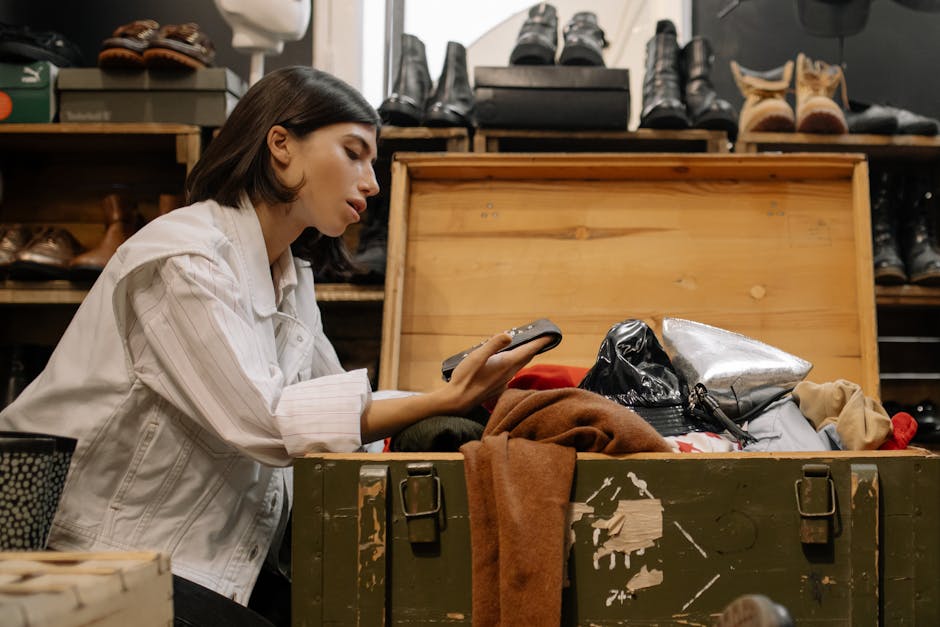
Shop Secondhand: Give pre-loved clothing a new life by shopping at thrift stores, consignment shops, and online marketplaces.
-
Rent Clothing: Renting clothing is a great option for special occasions or for trying out new styles without committing to a purchase.
-
Support Sustainable Brands: Seek out brands that are committed to ethical and environmental practices.
-
Repair and Alter: Extend the life of your clothing by repairing minor damages and altering garments to fit your evolving style.
-
Care for Your Clothes Properly: Follow care instructions carefully to prolong the lifespan of your garments.
-
Wash Clothes Less Often: Over-washing can damage fabrics and contribute to water waste.
-
Donate or Recycle: When you no longer need a garment, donate it to a charity or recycle it through a textile recycling program.
-
Educate Yourself: Stay informed about the environmental and social impacts of the fashion industry and share your knowledge with others.
-
Demand Transparency: Ask brands questions about their sourcing and production practices.
Upcycling and DIY: Creative Ways to Give Clothes a New Life
Upcycling and DIY projects offer creative ways to transform old clothes into new and exciting pieces, reducing textile waste and adding a personal touch to your wardrobe.
-
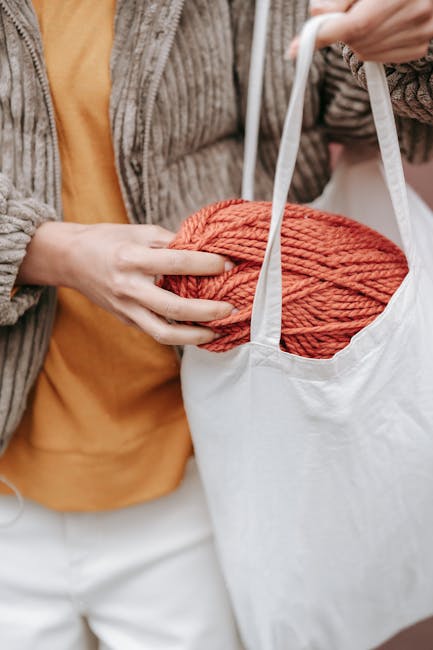
Transform old t-shirts into reusable shopping bags: Simple sewing skills can turn old t-shirts into sturdy and stylish shopping bags.
-
Turn old jeans into skirts or shorts: With a little creativity and some basic sewing techniques, you can transform old jeans into fashionable skirts or shorts.
-
Use fabric scraps to create quilts or patchwork items: Fabric scraps can be used to create beautiful and unique quilts, pillow covers, and other patchwork items.
-
Embellish old clothes with embroidery or fabric paint: Add a personal touch to your clothes by embellishing them with embroidery or fabric paint.
-
Learn basic sewing skills: Mastering basic sewing skills will allow you to repair and alter your clothes, extending their lifespan and reducing waste.
The Future of Fashion: Innovation and Collaboration
The future of fashion hinges on innovation and collaboration. New technologies and business models are emerging that offer promising solutions to the industry’s environmental and social challenges.
-
3D printing: 3D printing allows for on-demand production, reducing waste and minimizing inventory.
-
Biomaterials: Scientists are developing new biomaterials from renewable resources, such as algae and mushrooms, to create sustainable fabrics and alternatives to leather.
-
Digital fashion: Digital fashion offers a virtual way to express style without the environmental impact of physical clothing.
-
Blockchain technology: Blockchain technology can improve transparency and traceability in the supply chain, helping to ensure ethical and sustainable production.
-
Collaboration: Collaboration between brands, designers, manufacturers, and consumers is essential to create a more sustainable fashion ecosystem.
Ultimately, creating a fashion industry that’s good for the planet requires a collective effort. By embracing sustainable fabrics, ethical production practices, conscious consumerism, and innovative technologies, we can transform the fashion industry into a force for good.